

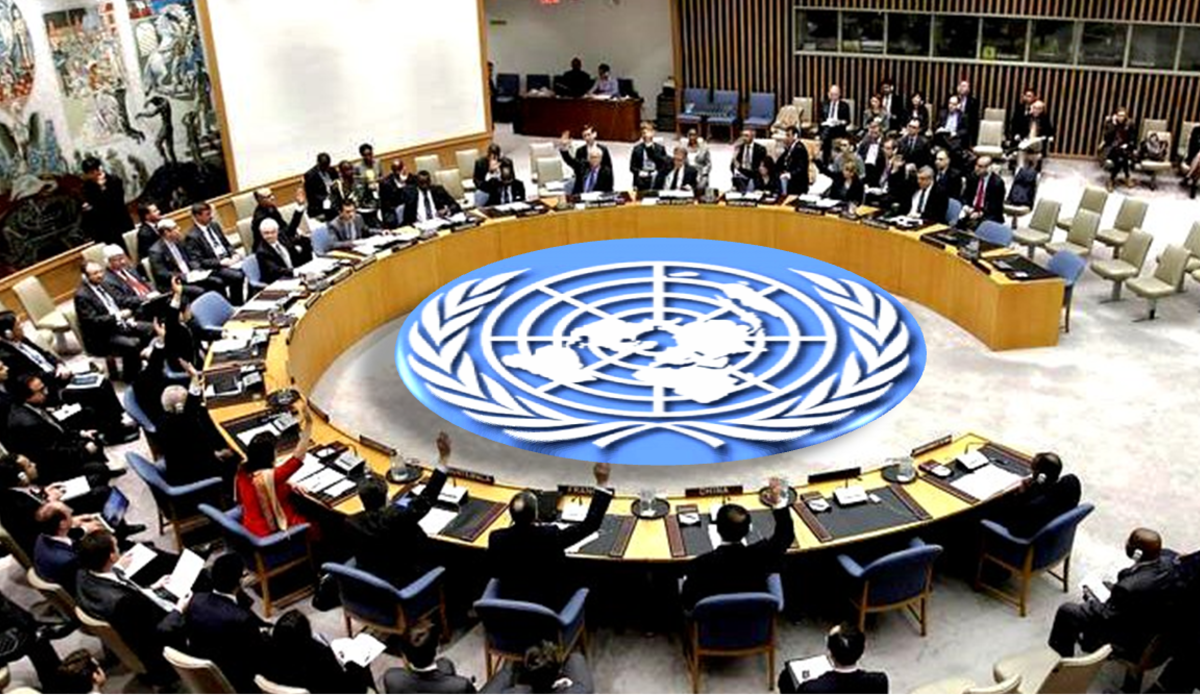
The Biden administration is facing mounting criticism after vetoing a United Nations Security Council resolution calling for an immediate ceasefire between Israel and Hamas. The veto, which came during an emergency meeting on Friday, December 11th, drew condemnation from global leaders and human rights groups.
State Department spokesperson Matthew Miller defended the administration’s decision, emphasizing their support for “temporary pauses in fighting” to allow for humanitarian aid delivery and the release of Israeli hostages held by Hamas. Miller argued that a ceasefire resolution at this time would not be conducive to achieving a sustainable and lasting solution to the conflict.
However, the veto has been met with widespread disapproval. Critics argue that it sends a message of US condoning of Israel’s military actions in Gaza, which have resulted in significant civilian casualties. Human rights groups express concern that the continued violence could escalate into a wider regional conflict.
“The United States’ veto is a devastating blow to hopes for peace in the region,” said Sarah Leah Whitson, Middle East and North Africa director at Human Rights Watch. “This vote sends a message to Israel that it can continue to act with impunity, and to Hamas that there is no hope for a peaceful resolution.”
The veto also drew criticism from several international leaders, including French President Emmanuel Macron and German Chancellor Olaf Scholz. The European Union issued a statement expressing “deep regret” over the US decision, emphasizing the need for a “swift ceasefire.”
The US veto has further complicated international efforts to mediate a ceasefire and de-escalate the conflict. The ongoing violence in Gaza continues to cause widespread suffering and raises concerns about the potential for a wider regional war.
Key Points:
- The US vetoed a UN resolution calling for a ceasefire between Israel and Hamas.
- The administration defended the decision by citing its support for temporary pauses in fighting to allow for humanitarian aid and hostage release.
- The veto has been widely criticized by global leaders, human rights groups, and the European Union.
- The future of the conflict remains uncertain, with concerns about further escalation persisting.
For More Information:
- For more information on the current situation in Israel and Gaza, please visit the following websites:
- United Nations Office for the Coordination of Humanitarian Affairs (OCHA): https://www.unocha.org/occupied-palestinian-territory
- Human Rights Watch: https://www.hrw.org/middle-east/north-africa/israel/palestine
- BBC News: https://www.youtube.com/watch?v=WM9rdc0fsgo

