

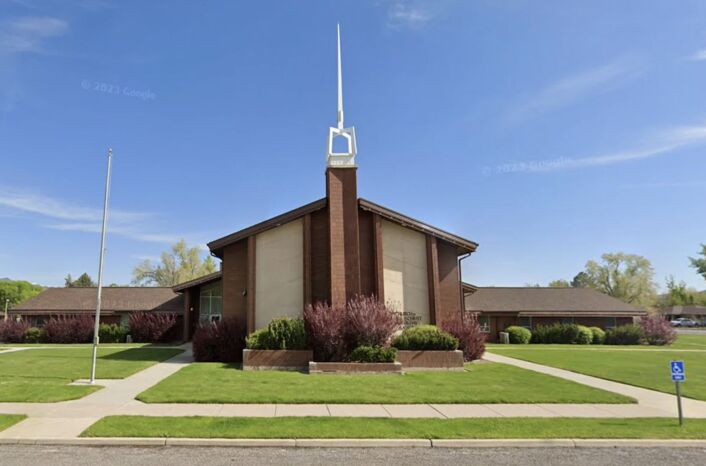
In an unsettling turn of events on New Year’s Eve, dozens of churchgoers attending a Latter-day Saints (LDS) building in Monroe, Utah, fell victim to carbon monoxide poisoning. The incident, unfolding nearly 200 miles south of Salt Lake City, cast a shadow over the festive holiday and served as a stark reminder of the potentially deadly dangers of the silent gas.
The ordeal began subtly, with a four-year-old girl experiencing difficulty breathing. Emergency medical services were called, but initially saw no cause for alarm. An hour later, however, the situation escalated as a man reported feeling sick, prompting further investigation. Later in the day, a family complained of headaches, raising an even stronger red flag.
Responding to these concerns, the Monroe City Fire Department conducted an air quality test within the building and discovered alarmingly high levels of carbon monoxide. The immediate danger became clear, and church officials swiftly evacuated the building.
In the aftermath, the impact of the invisible threat proved widespread. A staggering 54 individuals reported experiencing symptoms of carbon monoxide poisoning, with 49 requiring medical treatment. Among these, 22 were hospitalized, some likely facing a prolonged recovery.
Thankfully, no fatalities were reported, a testament to the quick response by emergency personnel and the timely evacuation. Nevertheless, the incident left a shaken community grappling with the potential tragedy averted.
Church officials, acknowledging the seriousness of the situation, attributed the leak to a malfunction in the building’s heating system. An investigation is currently underway to determine the precise cause and ensure such an incident never occurs again.
This event shines a spotlight on the critical importance of carbon monoxide awareness and prevention. Carbon monoxide, an odorless and colorless gas, is often dubbed the “silent killer” due to its stealthy nature. Regular maintenance of heating systems, ventilation checks, and the installation of carbon monoxide detectors are crucial in safeguarding against this invisible threat.
The close call experienced by the Monroe churchgoers serves as a powerful reminder to prioritize safety and vigilance. With proper precautions and heightened awareness, we can combat the dangers of carbon monoxide and ensure that such unsettling incidents become a distant memory.
Let this New Year’s Eve incident serve as a wake-up call, prompting individuals and communities across the nation to take necessary steps to prevent similar tragedies. By prioritizing safety and understanding the risks, we can collectively ensure that every gathering, every celebration, is one filled with joy and not overshadowed by the chilling presence of the silent killer.

