

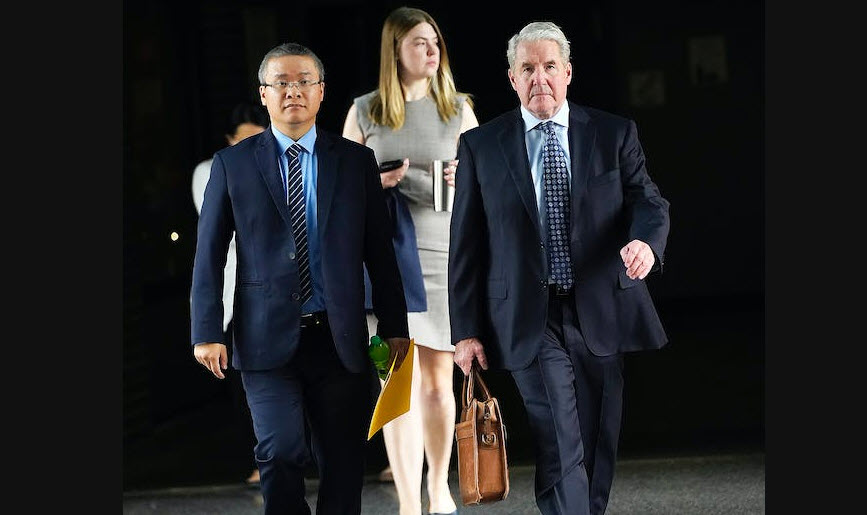
The U.S. Supreme Court on Monday declined to hear an appeal from Tou Thao, the former Minneapolis police officer convicted of violating George Floyd’s civil rights in 2020. This decision upholds Thao’s sentence of 3.25 years in prison, marking the final major legal development in the aftermath of Floyd’s death.
Thao was found guilty on two counts: deprivation of rights under color of law for failing to intervene during Derek Chauvin’s restraint of Floyd, and deliberate indifference to a serious medical need for neglecting Floyd’s pleas for help while Chauvin knelt on his neck for nine minutes.
Despite Thao’s legal team arguing that juror bias and other procedural errors affected his trial, the Supreme Court, without comment, decided not to review the case. This silence signifies a tacit endorsement of the lower court’s decision, leaving Thao’s conviction and sentence intact.
The Supreme Court’s refusal to intervene carries several implications. First, it reinforces the legal validity of the original verdict, indicating that Thao’s actions on the day of Floyd’s death were indeed violations of Floyd’s civil rights. Second, it sends a message of continued accountability for law enforcement personnel who fail to uphold their legal and ethical duties.
George Floyd’s family and their legal representatives welcomed the Supreme Court’s decision, viewing it as a final step towards justice for Floyd. Thao’s attorneys remain disappointed and may explore other legal avenues, although the likelihood of success is considered low.
While the legal proceedings in the George Floyd case may be winding down, the broader issues of police brutality and racial justice continue to spark discussions and debates across the nation. Thao’s conviction and the Supreme Court’s decision, coupled with the ongoing federal investigation into the Minneapolis Police Department, serve as reminders of the need for systemic reforms and ongoing efforts to ensure equal justice for all.

