

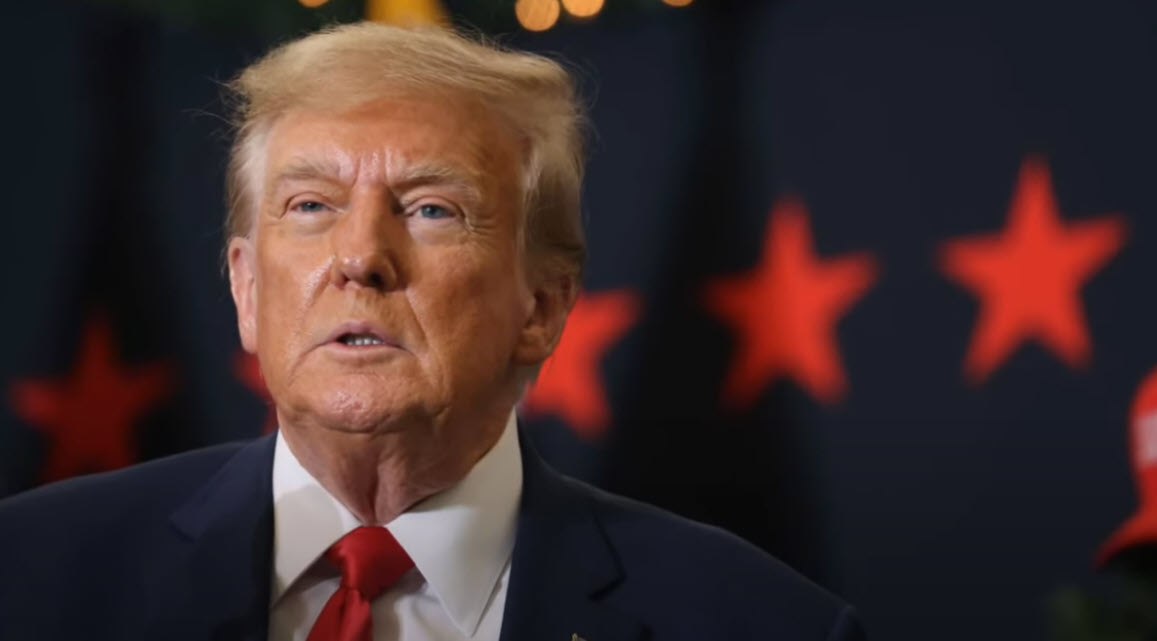
Former President Donald Trump is riding high on the wave of success after an easy victory in the Iowa caucus. Campaigning vigorously in New Hampshire, Trump strategically avoids direct comments on his second-place rival, Florida Governor Ron DeSantis. Instead, he emphasizes the need to focus on defeating Democrats and not wasting time on internal competition. Nikki Haley, the third-place finisher in Iowa, is trailing Trump by only seven points in New Hampshire, gaining support from Governor Chris Sununu.
The New Hampshire presidential primary vote is scheduled for January 23rd, adding urgency to the candidates’ efforts. Trump’s Republican opponents, including DeSantis and Haley, are battling to slow his momentum in the race for the party’s White House nomination. Despite facing multiple legal challenges, Trump remains a formidable force, securing overwhelming support from Iowa voters and propelling himself toward a potential rematch against Democratic President Joe Biden.
The campaign in New Hampshire is marked by frigid temperatures and snow, mirroring the challenges faced in Iowa. Trump aims to expedite the Republican selection process through convincing early primary wins, sidelining his rivals. However, internal discord emerges as candidates like Haley criticize Trump’s leadership style, citing chaos that follows him.
The cancellation of a debate by ABC News underscores Trump’s refusal to engage in discussions with Republican rivals. Haley insists on skipping future debates unless Trump participates, leading to the cancellation. Trump’s legal woes, including criminal charges and attempts to overturn the 2020 election, do not seem to deter his popularity among Republicans, as evident in his Iowa triumph.
As the political landscape intensifies, Trump’s enduring popularity among Republican voters is evident, raising questions about his performance in the wider general contest in November. The article explores the implications of Trump’s Iowa victory, contrasting the historical significance of Iowa and New Hampshire in the presidential campaign with the evolving strategies of Democrats in more diverse states.

