

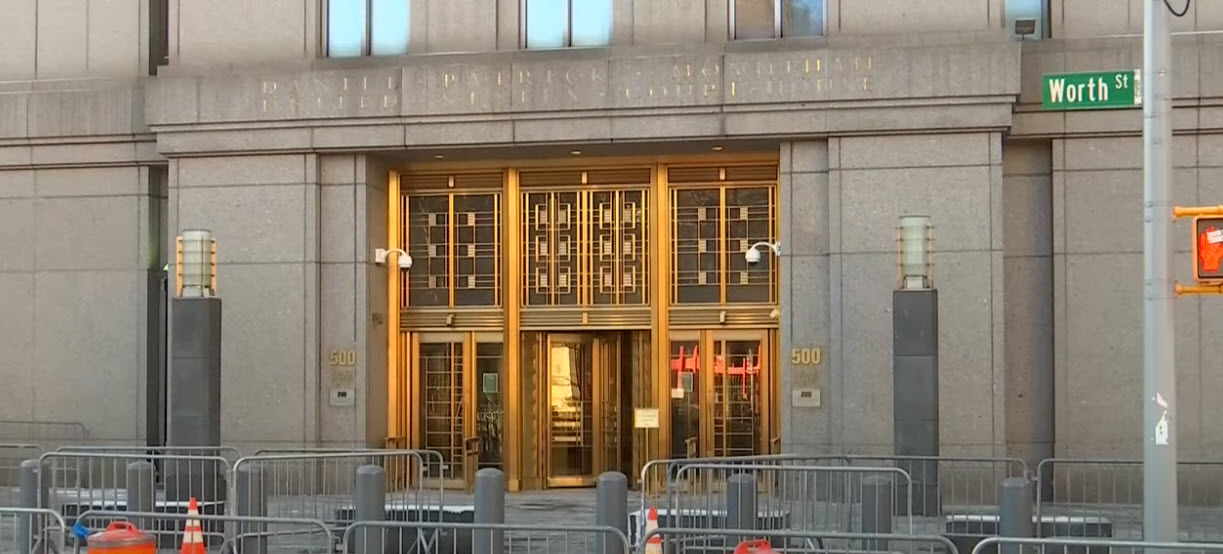
The damages trial in the New York civil defamation case against former President Donald Trump has encountered a delay due to COVID precautions. Originally set to resume, the trial’s pause raises questions about Trump’s potential testimony. The trial revolves around determining the damages Trump will be required to pay to writer E. Jean Carroll, following a prior ruling that found him liable for repeatedly defaming her after being accused of sexually abusing her in a department store dressing room during the 1990s.
Both Carroll and Trump had already arrived at the court when the judge, responding to a sick juror, decided to adjourn for the day. The uncertainty lingers on whether Trump will attend the trial the following day, especially considering the concurrent New Hampshire primary events.
This development marks another twist in the legal battle between Trump and Carroll. The trial seeks to assess the financial repercussions for Trump in light of the defamation claims, adding another layer to the complexity of the case. The initial ruling against Trump underscored the gravity of his alleged defamatory statements towards Carroll, further complicating the proceedings.
As the trial navigates the challenges posed by the ongoing pandemic, the potential impact on the trial’s dynamics and schedule remains uncertain. COVID precautions continue to disrupt various aspects of public life, extending their influence into legal proceedings.
The outcome of this trial holds significance not only for Trump and Carroll but also for the broader implications on accountability for public figures accused of defamation. The case has drawn attention for its intersection of legal, political, and social dimensions, reflecting the intricate nature of high-profile legal battles.
The trial’s resumption will be closely watched, with observers eager to see how the legal proceedings unfold and whether Trump will indeed take the stand. The delay adds a layer of anticipation and uncertainty to an already closely watched case.

