

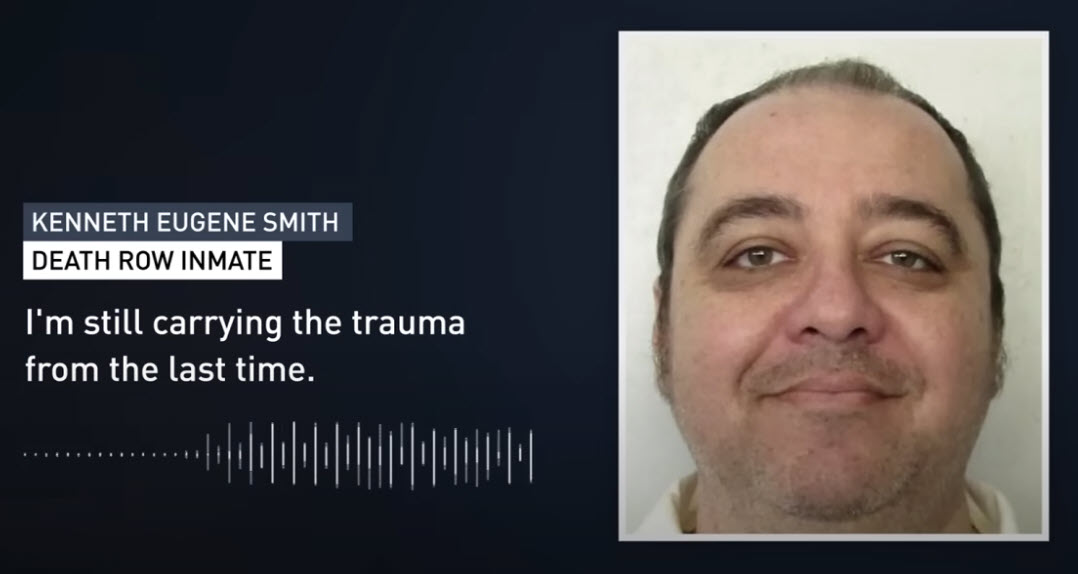
In a historic development, Alabama is set to conduct the nation’s first execution using nitrogen hypoxia, a method approved by the state Supreme Court for death-row inmate Kenneth Eugene Smith. The execution is scheduled for tomorrow at the Holman Correctional Facility in Escambia County.
Kenneth Eugene Smith, convicted for the 1988 murder of Elizabeth Sennett in Colbert County, specifically requested the untested method of nitrogen hypoxia for his execution. This marks a significant departure from traditional execution methods, and it has raised legal challenges regarding potential violations of the constitution’s ban on cruel and unusual punishment.
The Alabama Supreme Court’s approval of nitrogen hypoxia as an execution method reflects a shift in the landscape of capital punishment. The method involves using nitrogen gas to induce a state of hypoxia, leading to a lack of oxygen, which is expected to cause a painless death. However, the untested nature of this method has prompted concerns about its potential implications.
Smith’s attorney has taken the matter to the 11th U.S. Circuit Court of Appeals, seeking to block the execution. The argument presented revolves around the constitutional prohibition of cruel and unusual punishment and the uncertainties associated with the nitrogen hypoxia method. Legal experts and advocates are closely watching this case as it may set a precedent for future challenges to execution methods.
The impending execution raises broader questions about the evolving landscape of capital punishment, with states exploring alternative methods amid ongoing debates about the ethics and humanity of lethal injection, electrocution, and other traditional means.
As Alabama prepares for this groundbreaking execution, the legal community remains engaged in discussions surrounding the constitutionality of emerging execution methods. The outcome of Smith’s case may influence the trajectory of capital punishment in the United States and prompt a reexamination of the methods used in carrying out death sentences.

