

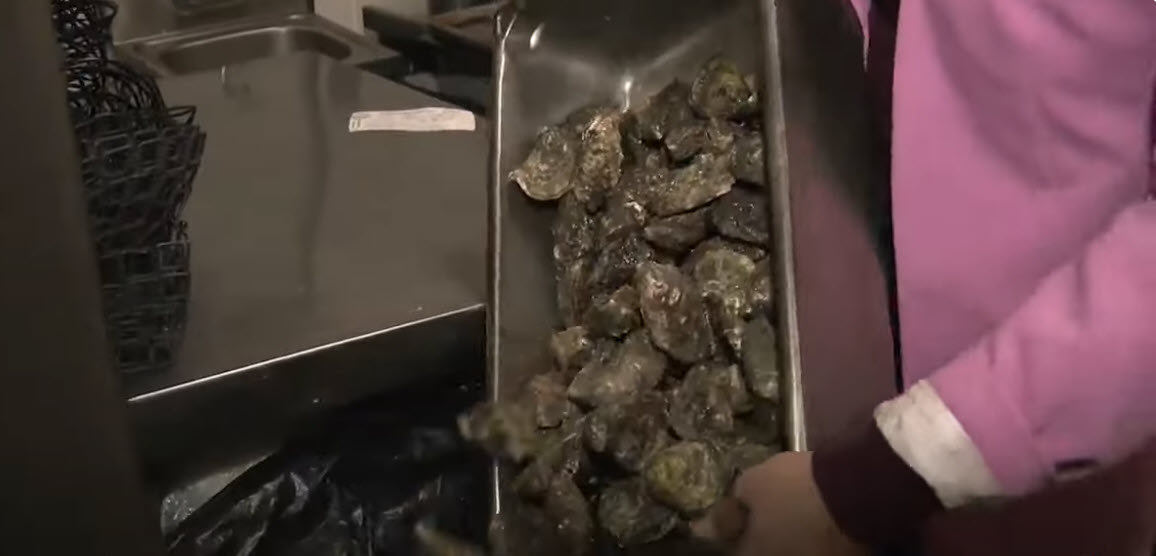
A growing public health concern has emerged in San Diego County as cases of norovirus linked to oysters harvested in Mexico continue to expand. The San Diego County Health Department has confirmed that the number of infected individuals has reached 81, prompting heightened awareness and efforts to address the outbreak.
The source of the norovirus outbreak has been traced back to oysters harvested in Mexican waters. Norovirus is a highly contagious virus that causes gastroenteritis, leading to symptoms such as nausea, vomiting, diarrhea, and stomach cramping. The ease of transmission of norovirus makes it a significant public health threat when associated with foodborne outbreaks.
The latest update from the San Diego County Health Department underscores the severity of the situation, with 81 confirmed cases of norovirus linked to the consumption of contaminated oysters. Health authorities are actively investigating the outbreak, working to identify the specific source and take necessary measures to prevent further spread.
Oysters, often enjoyed raw or undercooked, can pose a risk of norovirus infection if harvested from contaminated waters. Norovirus is known for its ability to survive in marine environments, emphasizing the importance of monitoring and ensuring the safety of shellfish harvested from coastal areas.
In response to the outbreak, health officials are advising consumers to exercise caution when consuming raw or undercooked oysters, especially those harvested in regions associated with the outbreak. Proper cooking methods can reduce the risk of norovirus infection, providing an additional layer of protection for consumers.
The swift and transparent communication from the San Diego County Health Department is crucial in keeping the public informed about the ongoing situation. Updates on the number of confirmed cases, investigation findings, and preventive measures help raise awareness and guide individuals in making informed choices regarding their food consumption.
As health authorities continue to address the norovirus outbreak linked to oysters, it serves as a reminder of the importance of food safety measures and the need for vigilance in monitoring potential sources of contamination. Public health campaigns and educational initiatives play a vital role in empowering consumers to make safe and informed choices, particularly when it comes to consuming raw or undercooked seafood.

