

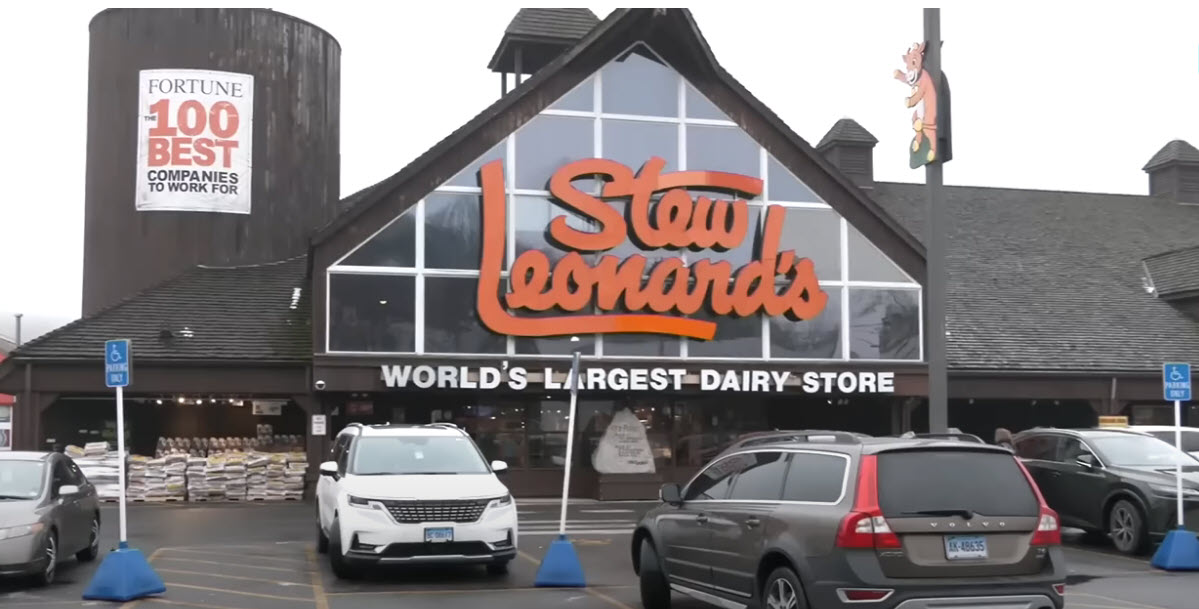
In a heartbreaking incident, a 25-year-old New York City dancer has lost her life after consuming mislabeled cookies from the renowned Connecticut grocery store chain, Stew Leonard’s. The tragedy has raised concerns about food labeling practices and the responsibility of both manufacturers and retailers in ensuring consumer safety.
The victim suffered a severe allergic reaction after consuming cookies manufactured by “Cookies United” and sold by Stew Leonard’s. The mislabeling led to the presence of allergens, triggering anaphylactic shock and ultimately resulting in the untimely death of the young dancer.
Stew Leonard’s has pointed fingers at “Cookies United,” placing blame on them for the mislabeling. However, the cookie company contends that it had informed Stew Leonard’s employees about the presence of peanuts in the product through emails. This raises questions about the communication and accountability within the supply chain.
As the supermarket chain is accused of repackaging the cookies at its facilities under the Stew Leonard’s brand, the incident highlights the responsibility of retailers in ensuring the accuracy of product labeling and information provided to consumers.
The tragic incident raises broader concerns about the safety of consumers who rely on accurate food labeling to make informed choices. The mismanagement of allergen information can have severe consequences, emphasizing the need for stricter regulations and adherence to safety protocols in the food industry.
The circumstances surrounding the mislabeling and subsequent fatality may have legal ramifications. Investigations are likely to unfold to determine if there was negligence on the part of either “Cookies United” or Stew Leonard’s. Legal actions, if pursued, could have implications for future food safety regulations and industry practices.
The death of the New York City dancer highlights the critical importance of accurate food labeling and the potential consequences of mismanagement within the food supply chain. As investigations continue, the incident serves as a stark reminder of the need for enhanced safety measures, communication protocols, and accountability in the food industry to prevent similar tragedies.

