

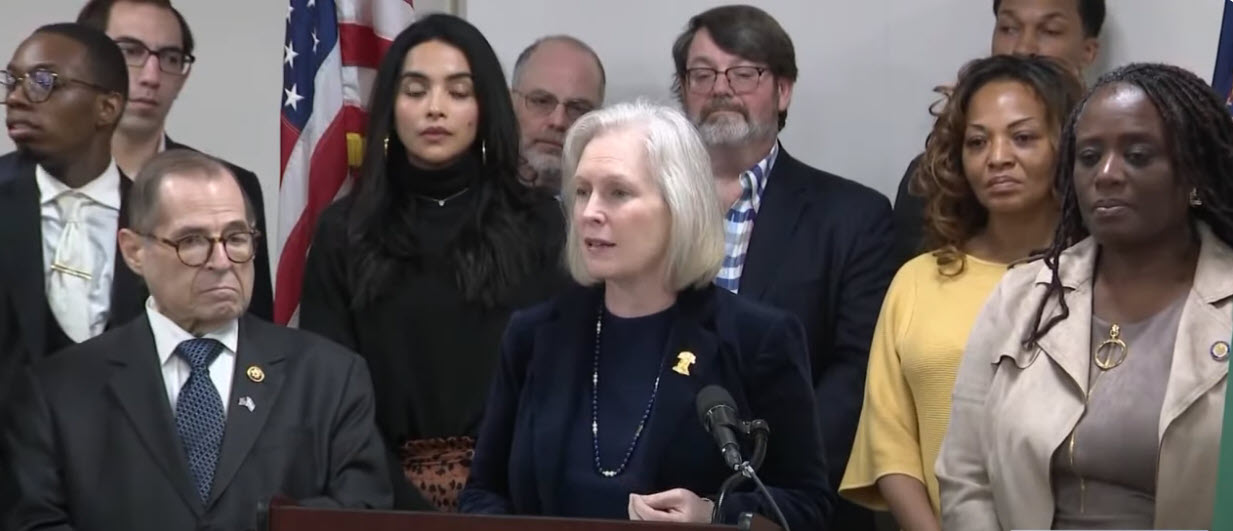
Senator Kirsten Gillibrand is urging the Biden administration to take bold steps towards the descheduling of marijuana, signaling a push for significant drug policy reform. In a move that aligns with evolving public opinion on cannabis, Gillibrand is advocating for a reconsideration of the federal prohibition on marijuana.
The call to deschedule marijuana is part of a broader effort to address the outdated and contentious aspects of drug policy in the United States. By urging the Drug Enforcement Administration (DEA) to reconsider its classification of marijuana, Gillibrand is challenging the longstanding federal stance on the substance.
New York, Gillibrand’s home state, has made significant strides in marijuana legalization in recent years. However, the federal prohibition still poses challenges for states looking to fully embrace the cannabis industry and its potential economic benefits.
The senator’s advocacy aligns with the growing momentum for drug policy reform, reflecting changing attitudes toward marijuana use and the recognition of its potential medicinal and economic value. Descheduling marijuana would have wide-ranging implications, from criminal justice reform to opening up opportunities for research and development in the cannabis sector.
The push for marijuana descheduling is not only a reflection of evolving societal norms but also a response to the need for a more progressive and evidence-based approach to drug policy. As more states move towards legalization and public opinion shifts, Senator Gillibrand’s call for action at the federal level underscores the urgency of revisiting outdated drug laws.
The outcome of this advocacy could have a profound impact on the future of cannabis in the United States, influencing not only legal and regulatory frameworks but also contributing to a broader conversation about drug decriminalization and reform. Gillibrand’s initiative represents a step towards aligning federal policy with the changing landscape of marijuana acceptance and acknowledgment of its potential benefits.

