

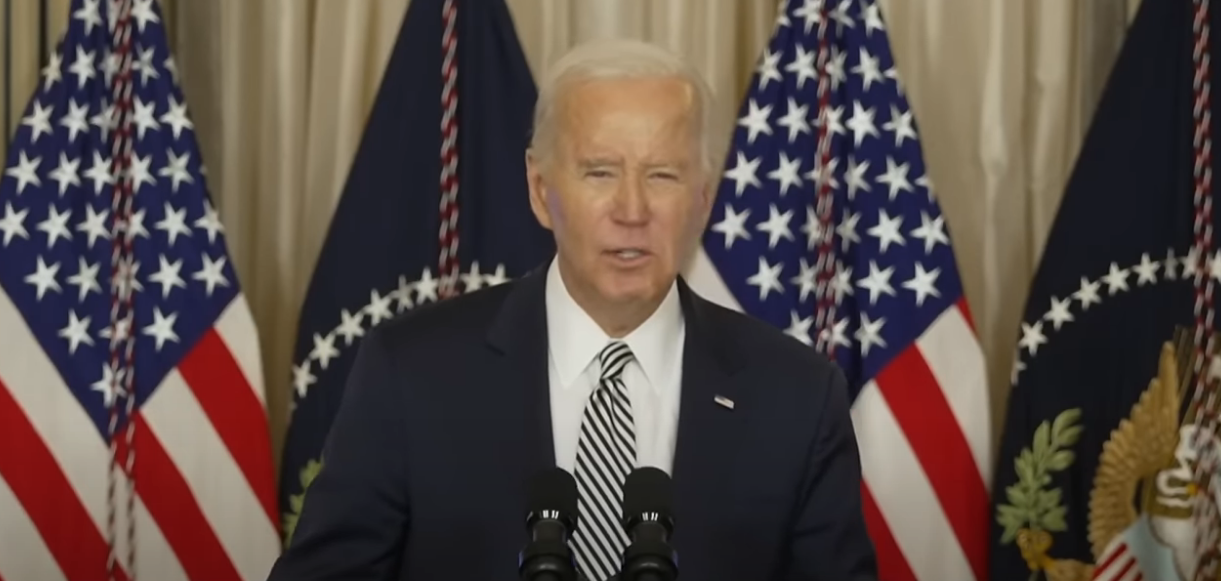
In a case of phony robocalls targeting New Hampshire voters, a Texas man is now facing the repercussions as authorities link him to the rounds of automated calls that utilized AI technology to impersonate President Biden’s voice. The New Hampshire Attorney General has identified the source as a business named The Life Corporation, owned by Walter Monk in the Dallas suburb of Arlington.
Last month, voters in New Hampshire received deceptive robocalls urging them to stay home, purportedly featuring the voice of President Biden. The calls were quickly flagged as suspicious, leading to an investigation by state authorities. The New Hampshire Attorney General’s office confirmed that the origin of these misleading calls was traced back to The Life Corporation, owned by Walter Monk.
While the motive behind the robocalls remains unclear, the New Hampshire Attorney General’s office took swift action by filing a cease-and-desist order against Monk and his business. The order aims to halt any further attempts at engaging in deceptive practices and interfering with the electoral process.
The utilization of AI technology to mimic political figures and disseminate misleading information through robocalls has raised concerns about the potential for election interference and misinformation campaigns. As technology evolves, regulatory bodies are grappling with the challenge of addressing such deceptive practices that exploit advanced tools like AI.
Walter Monk and The Life Corporation now face scrutiny not only for their alleged involvement in the AI Biden robocalls but also for the broader implications of using sophisticated technology to manipulate public perception during election cycles. The cease-and-desist order is a preliminary step in holding individuals accountable for attempting to influence voters through deceptive means.
As investigations continue, the New Hampshire Attorney General’s office is likely to delve deeper into the motives behind the robocalls and explore potential legal consequences for those involved. The case underscores the importance of safeguarding the electoral process from technological manipulation and deceptive practices that threaten the integrity of democratic systems.
In an era where technology can be wielded to manipulate audio recordings and create convincing impersonations, authorities face the ongoing challenge of adapting regulations to address emerging threats to the democratic process.

