

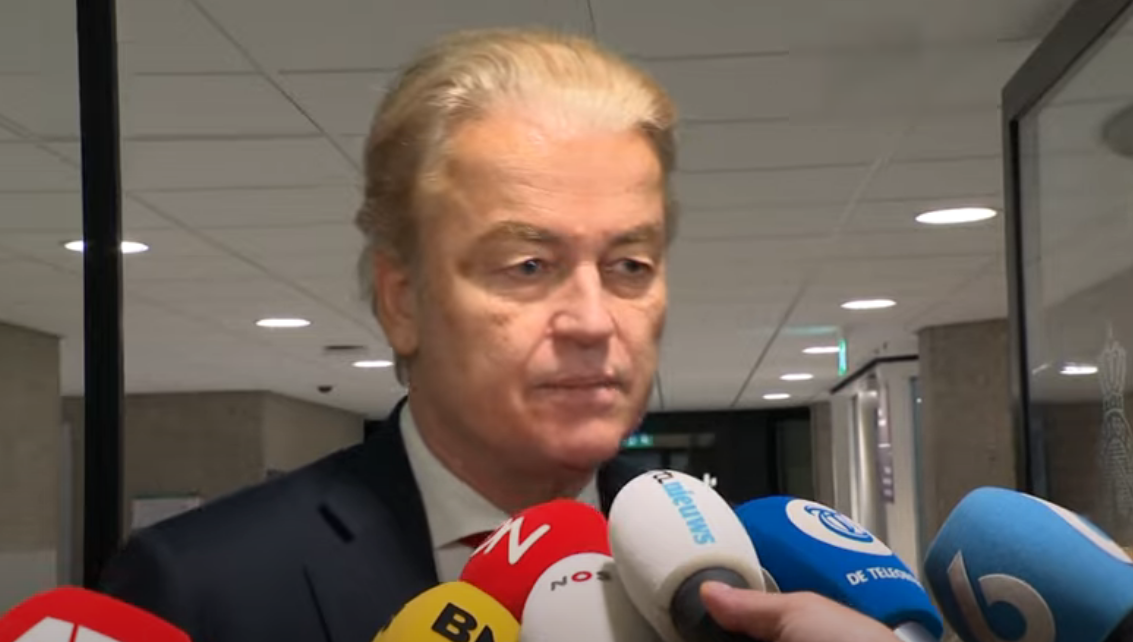
In a recent development in Dutch politics, the efforts to forge a new coalition government following the elections have hit a roadblock, as negotiations among key parties have collapsed. The setback comes as the New Social Contract party, which had been engaged in talks with the far-right Party for Freedom, abruptly pulled out of the ongoing discussions.
The collapse of the coalition talks has thrown the political landscape in the Netherlands into uncertainty, raising questions about the formation of a stable government in the aftermath of the elections. The New Social Contract party’s decision to withdraw from the negotiations with the Party for Freedom has left many speculating about the reasons behind this unexpected move.
Analysts suggest that the ideological differences between the New Social Contract party and the far-right Party for Freedom may have played a significant role in the breakdown of the talks. The challenges of aligning diverse political agendas and finding common ground on key policy issues may have proven insurmountable, leading to the dissolution of the coalition-building efforts.
The collapse of the coalition talks raises concerns about the potential for prolonged political instability in the Netherlands, as the formation of a government remains elusive. The political landscape in the country is now marked by uncertainty and the need for parties to reconsider their strategies for the way forward.
The Netherlands, like many other democracies, has been grappling with the complexities of coalition politics, where parties with varying ideologies must collaborate to form a government. The recent breakdown in talks underscores the inherent challenges of navigating such negotiations, especially when parties have differing views on critical issues.
As the political situation unfolds, the Netherlands will closely watch how political leaders respond to the setback and whether renewed efforts will be made to revive coalition talks or explore alternative paths to government formation.

