

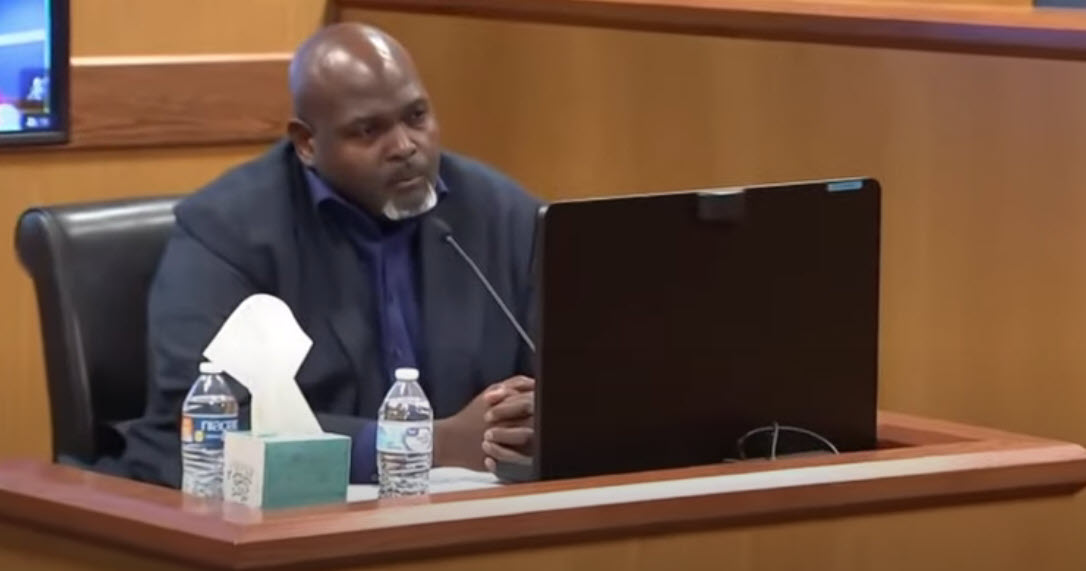
In a surprising turn of events, the ongoing hearing to determine the fate of Fulton County District Attorney Fani Willis in Trump’s Georgia election case took a peculiar twist as her father, John Floyd, took the stand. Floyd’s testimony highlighted cultural perspectives on cash usage, raising eyebrows in the courtroom.
During his testimony, Floyd stated that having cash on hand is a “black thing,” asserting that many Black individuals often hide or keep cash readily available. He went on to recount personal experiences of racism, citing an incident where a restaurant refused to accept his credit card in the past.
The hearing primarily revolves around the relationship between Fani Willis and her ex-boyfriend, Nathan Wade, who is also a prosecutor on the Trump case. Willis reportedly hired Wade and has paid him over $600,000 for his role in prosecuting the election case. However, the controversy deepened as both parties admitted to splitting the costs of various trips, including destinations like Aruba, Napa, Belize, and a cruise. Strikingly, Willis allegedly paid in cash, and neither could produce bank receipts for the transactions.
The revelation about cash payments raised questions about transparency and accountability in the financial dealings related to the Trump election case. The hearing has become a focal point for assessing the ethical standards and potential conflicts of interest within the legal proceedings.
John Floyd’s insistence on the cultural significance of keeping cash has added a unique layer to the ongoing controversy. As the hearing unfolds, it remains to be seen how this revelation will impact the evaluation of Fani Willis’ involvement in the high-profile election case.

