

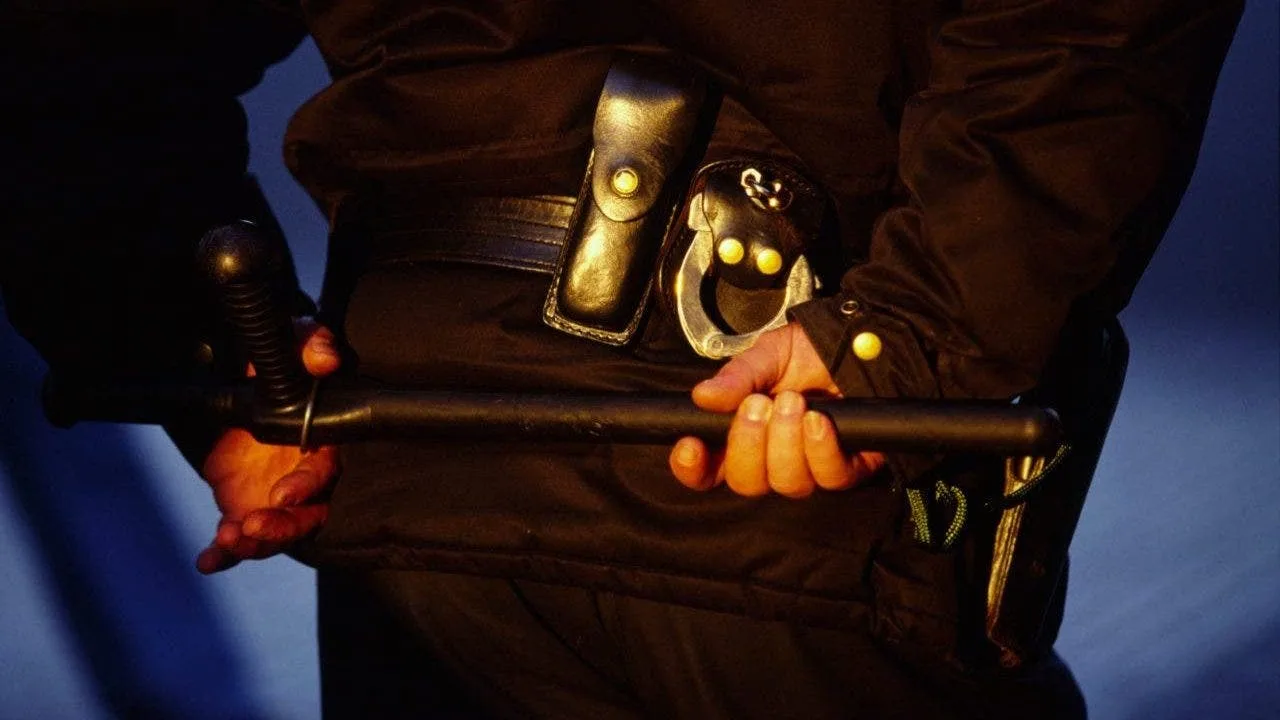
In a legal tug-of-war, California Attorney General Rob Bonta is challenging a district court ruling that overturned the state’s ban on billy clubs. The decision allows civilians to carry these potentially dangerous weapons in public, sparking debates on public safety and individual rights.
The recent district court ruling has lifted California’s prohibition on manufacturing, importing, selling, or possessing billy clubs. This decision raises concerns about the potential implications for public safety and law enforcement efforts.
Attorney General Rob Bonta has taken a stance against the district court ruling, opting to appeal the decision. Bonta asserts that maintaining restrictions on billy clubs is crucial for public safety, and the appeal reflects the state’s commitment to regulating potentially dangerous weapons.
Former Sacramento County Sheriff Scott Jones dismisses Bonta’s appeal, suggesting that the focus on billy clubs may be misplaced. Jones emphasizes that there are numerous items legally available for purchase online that civilians can carry, making the emphasis on billy clubs appear unnecessary in his view.
Jones points to larger legislative issues, urging the reconsideration of Proposition 47 and related laws that, according to him, have contributed to challenges in public safety. While he may not find civilians carrying billy clubs alarming in itself, he underscores the importance of considering context in evaluating potential risks.
The legal battle over billy clubs in California encapsulates the broader debate between civilian rights and public safety. Advocates for maintaining the ban argue that certain weapons pose inherent risks and restrictions are necessary, while opponents, like Jones, stress the need for a comprehensive approach to legislation impacting public safety.
In conclusion, California’s legal dispute over billy clubs reflects the ongoing tension between individual rights and public safety. Attorney General Bonta’s appeal signals a commitment to upholding restrictions on potentially dangerous weapons, while critics argue for a more comprehensive legislative approach to address broader concerns in the realm of public safety.

