

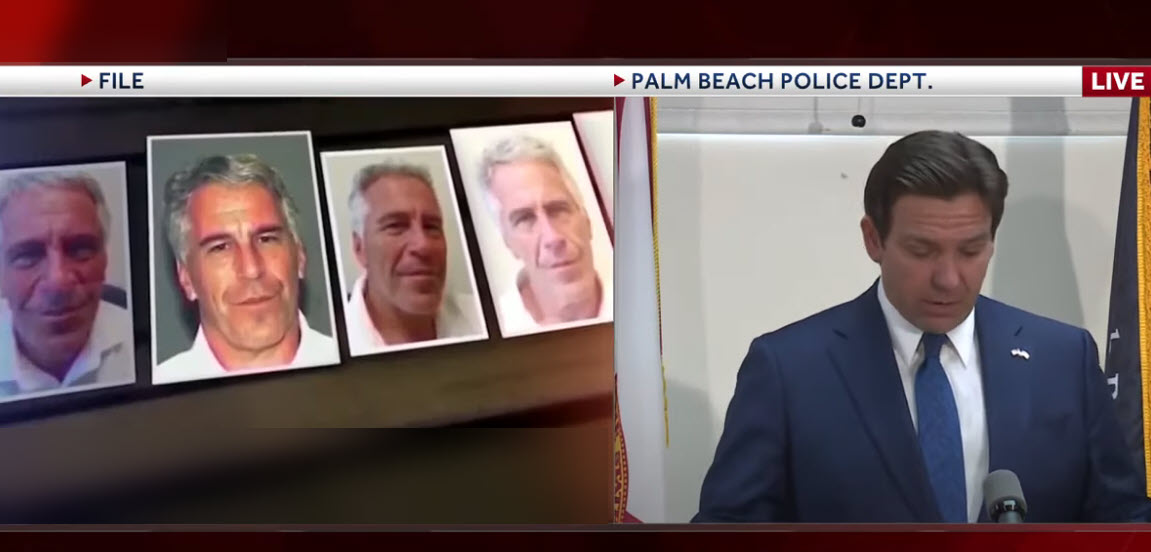
In a significant move toward transparency and justice, Florida Governor Ron DeSantis has signed a groundbreaking law allowing the release of secret grand jury testimony in cases involving deceased suspects or crimes related to sexual assault against minors. The legislation aims to provide closure for victims, particularly those connected to the notorious Jeffrey Epstein case. As the law takes effect on July 1st, it signals a step forward in addressing the longstanding concerns surrounding the handling of Epstein’s alleged sexual abuse of minors.
Governor DeSantis’s signing of the new law marks a pivotal moment in addressing the challenges associated with grand jury testimony confidentiality. The legislation specifically focuses on cases where the suspect is deceased or the crimes involve sexual assault against minors. This targeted approach is a response to the complexities surrounding cases like Jeffrey Epstein’s, where ensuring justice and transparency is of utmost importance.
The federal grand jury testimony at the center of this legal development pertains to records from 2006, involving allegations of Jeffrey Epstein’s sexual abuse of minors. The new law paves the way for the release of previously undisclosed information, shedding light on the investigation into Epstein’s actions. The hope is that increased transparency will contribute to a more comprehensive understanding of the case and provide victims with the closure they deserve.
Governor DeSantis expressed his optimism regarding the positive impact of the new law, particularly in aiding the victims associated with the Jeffrey Epstein case. By allowing the release of grand jury testimony, the Governor aims to empower victims and their families with information that could contribute to their healing process. The emphasis on transparency reflects a commitment to addressing historical injustices and ensuring accountability.
The law is set to take effect on July 1st, indicating a swift timeline for its implementation. As the legal landscape shifts to accommodate this transparency measure, it sets the stage for potential revelations and public scrutiny of previously undisclosed information related to the Epstein case. The effective date underscores the urgency and significance of addressing the issues surrounding grand jury secrecy.
Jena-Lisa Jones, a victim connected to the Jeffrey Epstein case, has expressed support for the new law, emphasizing its potential to contribute to closure and transparency. Victims and their advocates have long called for increased visibility into the details of the investigation. The release of grand jury testimony is anticipated to meet these expectations, providing victims with a clearer understanding of the legal proceedings and the extent of Epstein’s alleged crimes.
Beyond its direct impact on the Epstein case, Florida’s move toward releasing grand jury testimony sets a precedent for justice reform. The willingness to reevaluate the traditional secrecy surrounding grand jury proceedings acknowledges the evolving needs of the justice system. This development may prompt discussions on broader reforms aimed at balancing transparency with legal protocols in high-profile cases.
Florida’s enactment of a law allowing the release of grand jury testimony in cases involving deceased suspects or crimes against minors represents a significant stride toward justice and transparency. With the Jeffrey Epstein case as a focal point, the law aims to provide victims with the closure they seek while addressing the broader implications of secrecy in grand jury proceedings. As the legal landscape evolves, this development underscores the ongoing commitment to fostering a more transparent and equitable justice system.

