

In a groundbreaking development, a San Diego man, Michael Hart, has become the first person in the nation to face charges for smuggling greenhouse gases. The charges stem from suspicions of smuggling refrigerants into the United States from Mexico. This article explores the details surrounding this unprecedented case, the charges faced by Hart, and the potential implications for regulations aimed at curbing the use of hydrofluorocarbons (HFCs), commonly found in refrigerators and air conditioners.
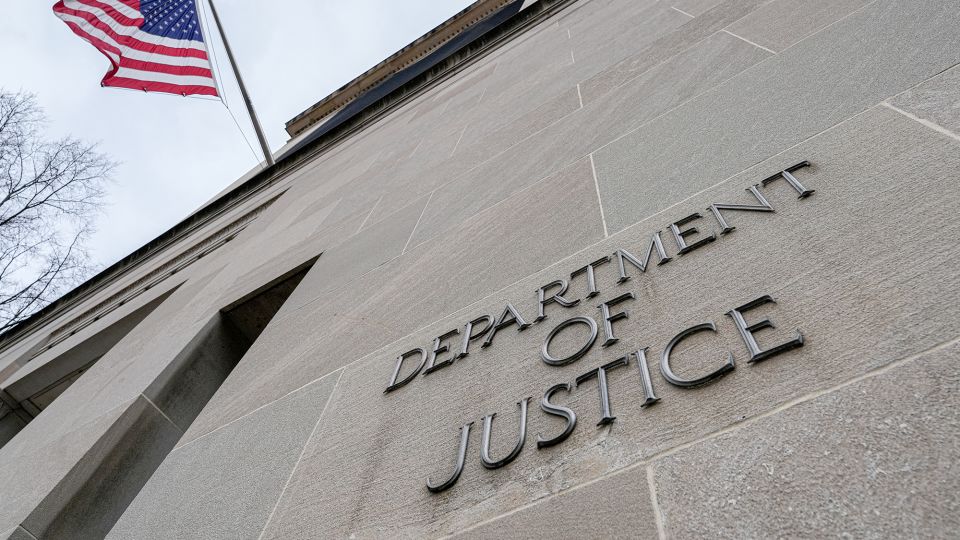
Michael Hart, a resident of San Diego, was arrested on Monday on charges related to smuggling greenhouse gases across the U.S.-Mexico border. Federal prosecutors assert that Hart is the first individual to be charged with violating regulations designed to restrict the use of hydrofluorocarbons (HFCs). HFCs are known for their contribution to global warming and ozone depletion, making them a significant focus in environmental regulations.
According to the U.S. Attorney’s Office, Hart allegedly smuggled ozone-depleting chemicals, specifically refrigerants containing HFCs, into the United States. The operation involved transporting the prohibited materials across the border in Hart’s truck, concealed under a tarp and tools. Subsequently, Hart is accused of offering these smuggled chemicals for sale on the internet, raising concerns about the potential environmental impact of such illicit activities.
Michael Hart pleaded not guilty to a total of 13 charges brought against him. The charges include conspiracy, sale of prohibited materials, and illegal importation. These legal actions represent a significant step in enforcing environmental regulations, as authorities take a stand against individuals involved in the unauthorized trade of substances that contribute to climate change and ozone layer depletion.
The charges against Hart underscore the seriousness with which authorities are approaching violations of environmental regulations. Hydrofluorocarbons, widely used in refrigeration and air conditioning systems, have been a focal point in global efforts to combat climate change. This case could set a precedent for future enforcement actions, emphasizing the need for heightened scrutiny and penalties for those who undermine environmental conservation measures.
The revelation of this historic case has the potential to raise public awareness about the illegal trade of greenhouse gases and its consequences. As environmental concerns become increasingly prominent, individuals engaging in activities that contribute to environmental degradation may face not only legal consequences but also public scrutiny and condemnation.
The charges against Michael Hart for smuggling greenhouse gases represent a landmark case in the nation’s efforts to enforce environmental regulations. As the legal proceedings unfold, the outcome will likely influence future actions against those who violate rules aimed at protecting the environment. This case serves as a stark reminder of the importance of safeguarding against activities that contribute to climate change and ozone layer depletion.

