

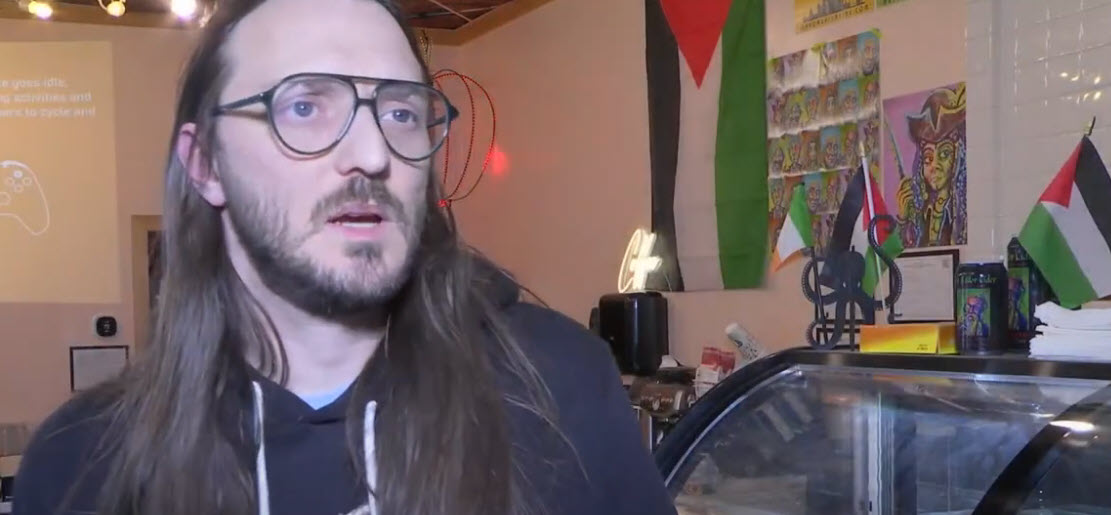
A Salt Lake City bar, Weathered Waves Bar, has ignited controversy by introducing a “No Zionists” policy, drawing attention to issues of ideology, inclusivity, and civil liberties. The owner insists that the policy is aimed at curbing hate speech, emphasizing that the bar remains open to patrons of all religions, including Judaism. However, critics argue that the ban raises concerns about potential infringements on civil liberties. The Utah Department of Alcoholic Beverage Services has flagged the issue, prompting an investigation by the state Attorney General’s office.
The controversy emerged when Weathered Waves Bar implemented a policy explicitly stating “No Zionists.” The owner contends that the intent behind the policy is to create an environment free from hate speech while maintaining inclusivity for patrons of diverse religious backgrounds. Notably, the owner distinguishes between Zionism as an ideology and Judaism as a religion.
The owner of Weathered Waves Bar asserts that the “No Zionists” policy is not intended as a religious exclusion but rather as a stance against a particular political ideology. Emphasizing the importance of fostering a welcoming atmosphere, the owner argues that Zionism, being an ideology, does not fall under the religious umbrella. This perspective aligns with the bar’s commitment to creating a space free from hate speech and discriminatory practices.
Critics of the policy raise concerns about potential violations of civil liberties. They argue that such a targeted ban, even if aimed at a political ideology, may inadvertently infringe upon individuals’ rights to freedom of expression and belief. The distinction between ideology and religion is also a point of contention, with critics highlighting the nuanced and often intertwined nature of these concepts.
Given the controversy and potential legal implications, the Utah Department of Alcoholic Beverage Services has referred the matter to the state Attorney General’s office for investigation. The examination will focus on whether the “No Zionists” policy violates discrimination laws and civil rights protections.
The announcement of the policy has spurred discussions within the community, with individuals expressing varied opinions on the matter. Some support the bar’s effort to combat hate speech, while others voice concerns about the potential consequences of such a specific and divisive ban.
Weathered Waves Bar’s “No Zionists” policy has sparked a broader conversation about the intersection of ideology, religion, and civil liberties. As the state investigation unfolds, the controversy prompts reflection on the delicate balance between creating safe spaces and upholding individual freedoms.

