

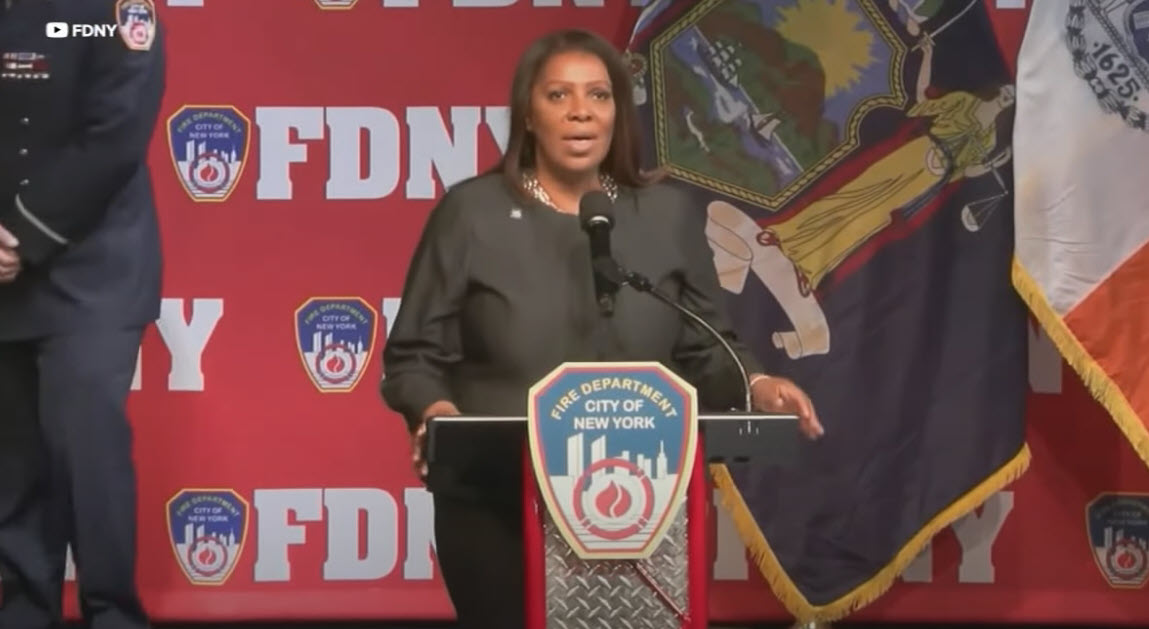
The New York City Fire Department (FDNY) has initiated an investigation into the heckling incident that disrupted the graduation ceremony of New York Attorney General Letitia James last week. The incident, marked by loud boos and orchestrated chants, has prompted concerns about the decorum of the event and the need to uphold professionalism.
During the ceremony, Attorney General Letitia James faced heckling that seemed premeditated rather than a spontaneous expression of dissent. The disruption included chants associated with former President Donald Trump, creating an atmosphere of tension and prompting James to respond, stating, “C’mon, we’re in a house of God.”
The FDNY, responsible for ensuring the professionalism and conduct of its members, is determined to identify those involved in the heckling. Clear video footage of the event is available, and the FDNY issued an internal memo urging individuals responsible for the disturbance to come forward voluntarily. The memo emphasizes cooperation rather than resorting to being “hunted down.”
Uniformed Firefighters Association President Andrew Ansbro has characterized the FDNY’s investigation as a “witch hunt.” He disputes the notion that the inquiry is apolitical and argues that it raises concerns about the freedom of expression. However, the FDNY maintains that the investigation is focused on potential violations of regulations regarding professionalism during official events, distancing it from any political motivations.
The incident has sparked a broader conversation about the boundaries of political expression in public gatherings, particularly within the context of official ceremonies. As the FDNY delves into the matter, questions arise about the balance between individual expression and maintaining a respectful environment at public events.
The FDNY’s commitment to investigating the incident underscores the importance of upholding professional standards within its ranks, even in settings outside of emergency response situations. The outcome of the investigation may influence how future events involving public figures are managed to ensure a respectful and orderly atmosphere.

