

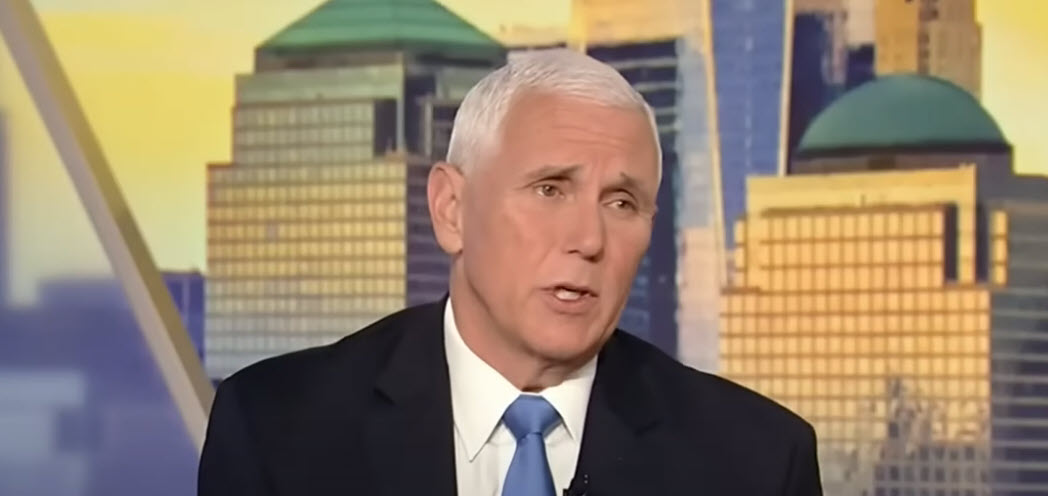
In a surprising turn of events, former Vice President Mike Pence has announced that he will not be endorsing former President Donald Trump for the upcoming presidential election. This revelation comes as a significant departure from traditional political alliances and has sparked discussions about the future of the Republican Party.
Pence’s decision not to endorse Trump was made public during a recent interview, where he expressed concerns about the alignment of Trump’s policies with the conservative values they championed during their time in office together. The former VP highlighted specific policy shifts, notably citing Trump’s approach to China as a departure from their shared principles.
While Pence refrained from disclosing who he intends to vote for in the upcoming election, he made it clear that he will not be casting his vote for President Joe Biden. This stance underscores Pence’s commitment to conservative values and his determination to support candidates who align with his political beliefs.
The announcement has stirred reactions from across the political spectrum, with some viewing Pence’s decision as a principled stand for his convictions, while others speculate about potential rifts within the Republican Party. Trump’s influence on the party’s direction continues to be a topic of debate, especially as the 2024 presidential election approaches.
Pence’s remarks add to the ongoing discourse within the GOP, where discussions about leadership, policy direction, and the party’s future are taking center stage. The former VP’s decision not to endorse Trump reflects broader dynamics within the Republican Party as it navigates evolving political landscapes and ideological shifts.
As the political landscape continues to evolve, Pence’s decision not to endorse Trump underscores the complexities and divisions within the Republican Party, setting the stage for a potentially transformative period leading up to the next presidential election.

