

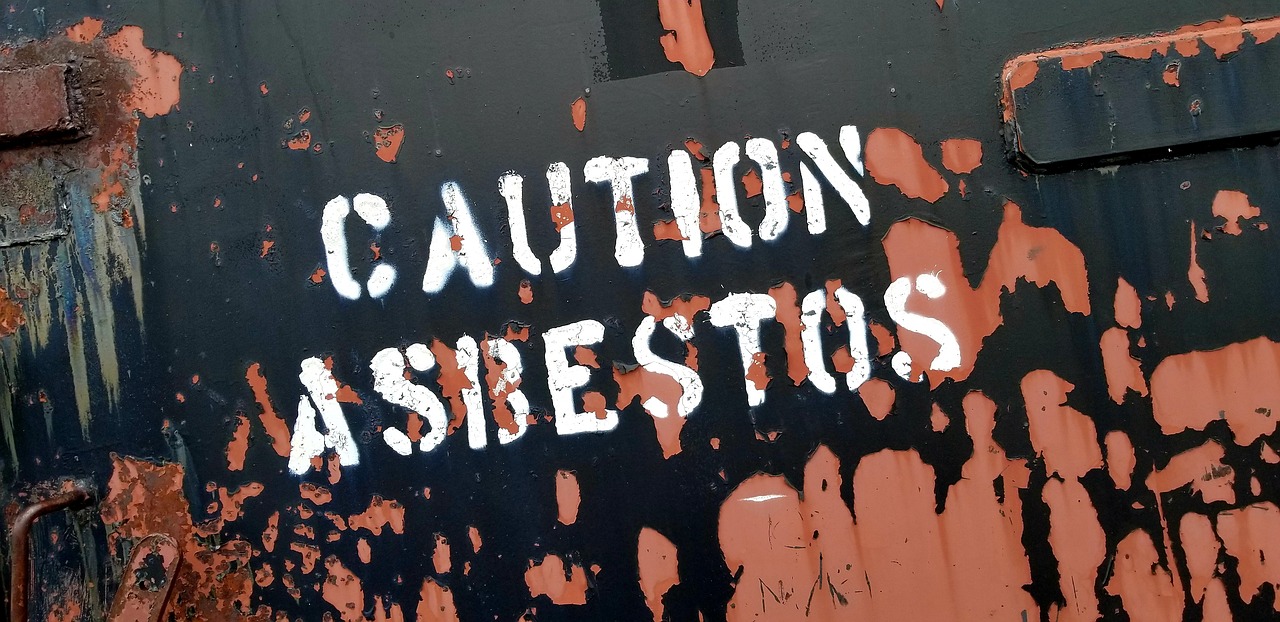
In a landmark decision aimed at enhancing chemical safety and protecting public health, the Environmental Protection Agency (EPA) has announced the ban of the last remaining form of asbestos used in the United States. This move, described by the government agency as a “major milestone,” addresses the longstanding concerns surrounding asbestos exposure and its association with various types of cancer.
The ban specifically targets a type of asbestos commonly used in car parts, which has been linked to serious health risks, including lung cancer and mesothelioma—a rare cancer affecting the lining of internal organs. The EPA’s decision to prohibit the ongoing use of asbestos reflects a comprehensive effort to mitigate the health hazards associated with this harmful substance.
According to the EPA, asbestos exposure is responsible for more than 40,000 deaths in the United States annually, underscoring the urgent need for measures to reduce its prevalence in industrial and consumer products. The ban extends to the manufacturing, importing, and use of asbestos in auto parts and certain building materials, marking a significant step towards eliminating its widespread presence.
While the ban encompasses white asbestos, known scientifically as chrysotile, companies will be granted a transition period of up to 12 years to phase out the use of asbestos in their products fully. This phased approach allows businesses to adjust their manufacturing processes and find alternative materials while prioritizing public health and safety.
The EPA’s decision has been met with support from health experts, environmental advocates, and organizations dedicated to combating asbestos-related diseases. The ban represents a critical victory in the ongoing efforts to reduce exposure to hazardous chemicals and protect workers and consumers from the adverse effects of asbestos.
Despite progress in banning asbestos, challenges remain in addressing existing sources of exposure and ensuring effective enforcement of regulations. Continued research, public awareness campaigns, and stringent regulatory measures are essential components of a comprehensive strategy to eliminate asbestos-related risks and safeguard public health.
As the EPA moves forward with implementing the ban on asbestos, stakeholders are encouraged to prioritize proactive measures to prevent asbestos exposure and promote safer alternatives in manufacturing and construction industries.

