

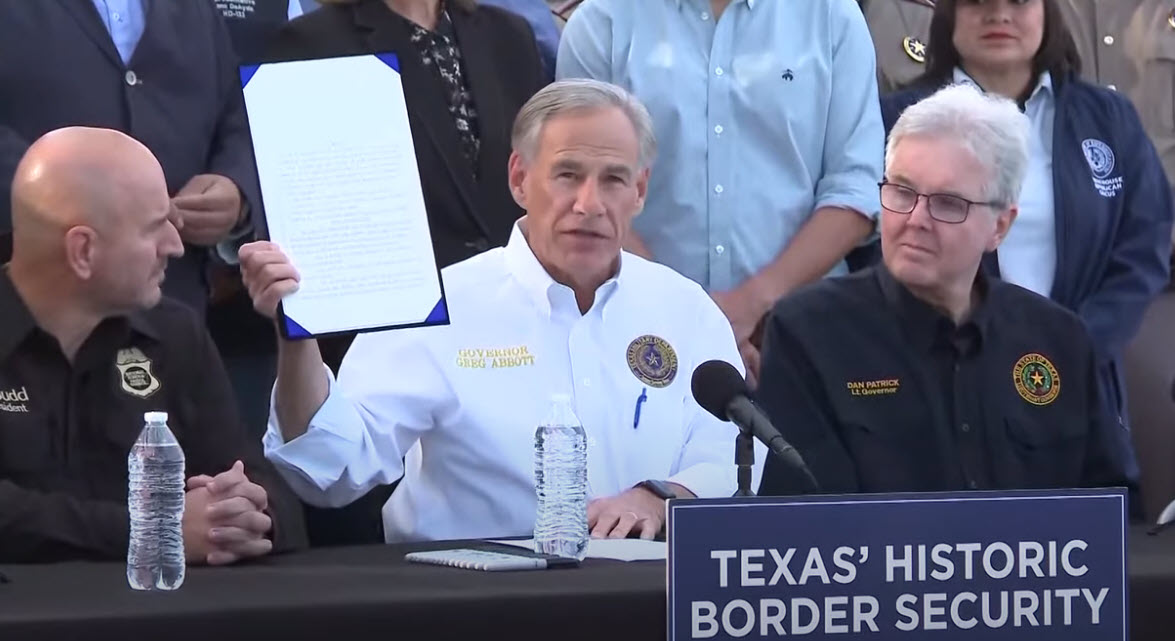
The U.S. Supreme Court has issued a significant decision approving Texas’s immigration law, known as SB4, which grants local law enforcement the power to arrest individuals suspected of entering the country illegally. This ruling comes after a legal battle and intense scrutiny over the law’s constitutionality and potential impact on immigration enforcement.
SB4, signed into law by Governor Greg Abbott in December, has faced staunch opposition from civil rights groups and the Biden administration, who argue that immigration enforcement falls within federal jurisdiction. The law’s implementation has raised concerns about racial profiling and the broader debate over states’ rights in immigration matters.
The Supreme Court’s approval of SB4 marks a pivotal moment in immigration policy, affirming states’ authority to take action on immigration issues independently. This decision is likely to have repercussions beyond Texas, influencing similar legislation and shaping the ongoing discourse on immigration enforcement across the nation.
While the approval of SB4 represents a victory for proponents of stricter immigration measures, it also highlights the ongoing tension between state and federal oversight in immigration governance. The Supreme Court’s ruling sets a precedent for how states navigate immigration policies and collaborate with federal authorities moving forward.
Overall, the SCOTUS approval of Texas’s immigration law SB4 reflects a broader legal and political landscape concerning immigration enforcement, state sovereignty, and constitutional interpretation.

