

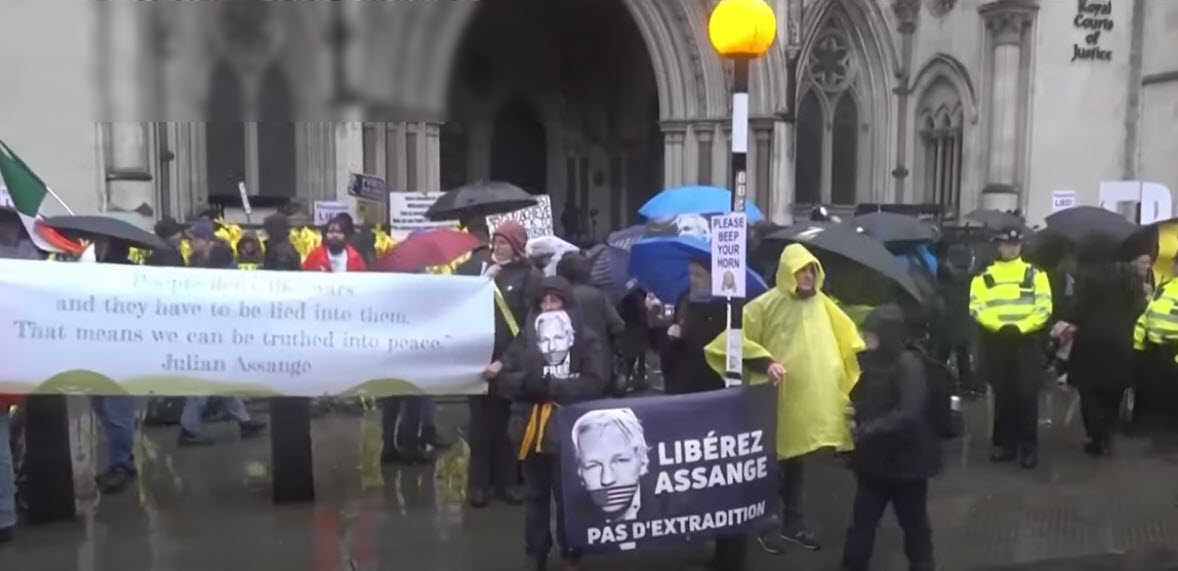
In a highly anticipated decision, a UK court is poised to rule on whether WikiLeaks founder Julian Assange can appeal his extradition to the United States. The ruling, scheduled for Tuesday, is expected to have far-reaching implications for Assange’s legal battle and the broader issues of press freedom and government transparency.
Assange, who has been at the center of a legal saga spanning over a decade, faces extradition to the US to stand trial on criminal charges related to the publication of classified documents through WikiLeaks. The US government alleges that Assange endangered the lives of intelligence sources by releasing sensitive information, a claim vigorously contested by Assange’s defense team.
The extradition case has drawn international attention and sparked debates about the rights of journalists and whistleblowers. Assange’s supporters argue that he is being targeted for exposing government misconduct and should be protected under freedom of speech laws. On the other hand, US prosecutors argue that Assange’s actions crossed the line into criminal activity and warrant his extradition to face trial.
President Joe Biden’s administration has been under pressure to reconsider the case, especially given the controversial nature of some of the charges filed during the Trump administration. Critics of the extradition argue that it sets a dangerous precedent for prosecuting journalists and publishers who uncover government secrets.
Assange has been fighting against extradition since 2010 when Swedish authorities sought his extradition over allegations of sexual misconduct, which he denies. While those charges have since been dropped, the US extradition request has kept him entangled in legal battles.
The ruling from the London High Court will be closely watched by legal experts, human rights advocates, and media organizations around the world. It could potentially shape the future of journalism, whistleblowing, and government accountability in an increasingly digital and interconnected world.

