

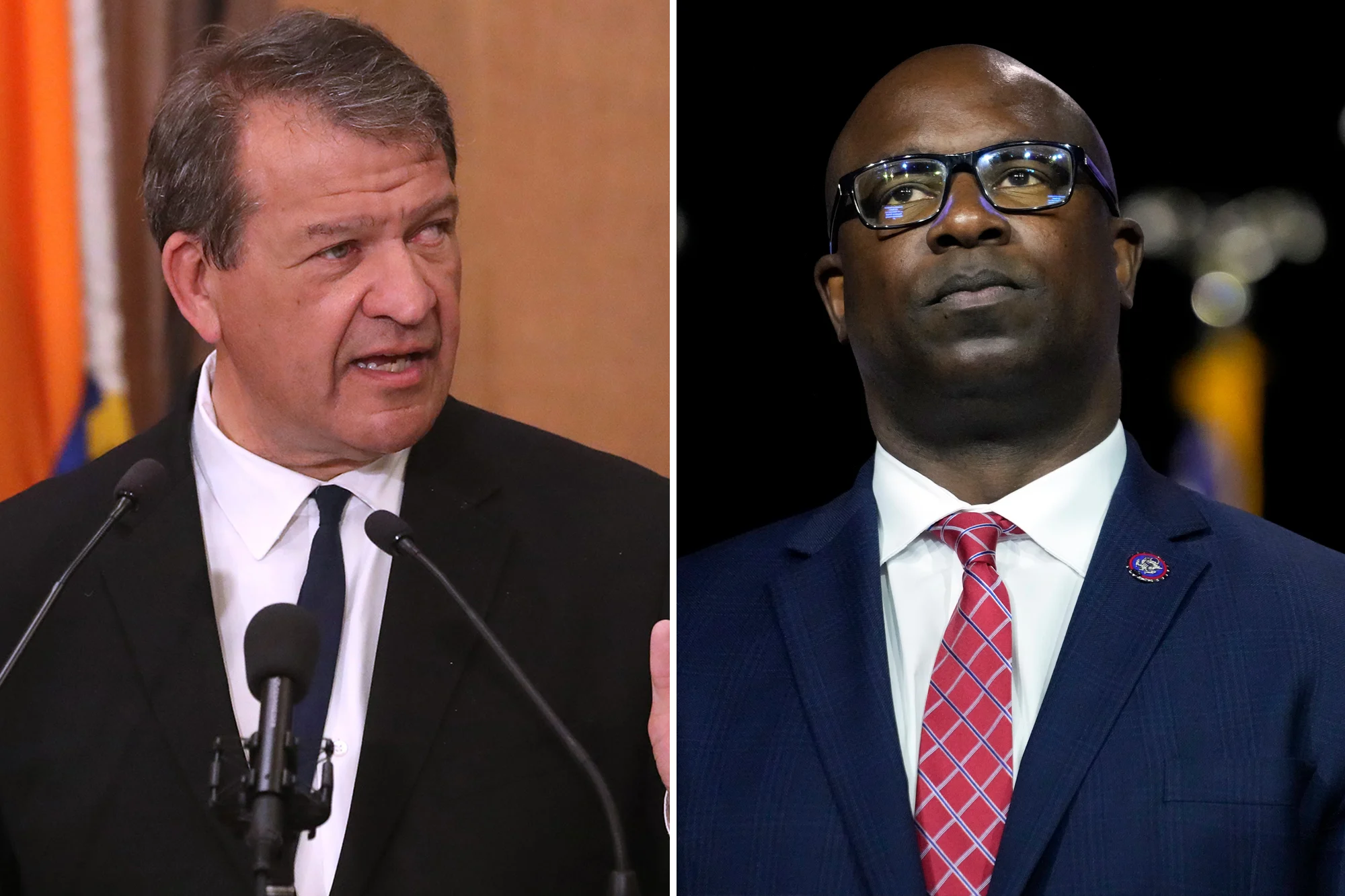
Westchester County Executive George Latimer finds himself embroiled in controversy following a recent fundraising event hosted by a convicted bank fraudster, sparking backlash and criticism from various quarters.
The fundraiser, held at the Mansion on Broadway in White Plains last week, featured Michael S. Wachs on the host committee. Wachs, who pleaded guilty to attempting to defraud Chase Bank of over $20 million in 1997, has drawn ire for his involvement in the event. Latimer’s bid to challenge Representative Jamaal Bowman in the Democratic Primary adds political complexity to the situation.
Criticism swiftly emerged from the Bowman campaign, with a spokesperson condemning Latimer’s association with Wachs. The spokesperson labeled Wachs as someone “who robbed people blind” and questioned the judgment of allowing such individuals to be part of fundraising efforts.
This backlash comes on the heels of a previous fundraiser held at the Larchmont residence of Alex Dubitsky, a known supporter of former President Donald Trump. The combination of hosting events involving individuals with controversial backgrounds has intensified scrutiny on Latimer’s campaign practices.
In response to the criticism, Latimer’s team has defended the fundraising decisions, emphasizing the importance of engaging a diverse range of supporters in political campaigns. However, the association with figures like Wachs and Dubitsky has sparked broader discussions about the ethical considerations surrounding fundraising and the optics of aligning with individuals with questionable histories.
The incident underscores the challenges faced by political candidates in navigating the complexities of campaign fundraising, balancing financial support with maintaining public trust and integrity. As the Democratic Primary heats up in Westchester County, the fallout from these fundraising events may influence voter perceptions and campaign dynamics moving forward.

