

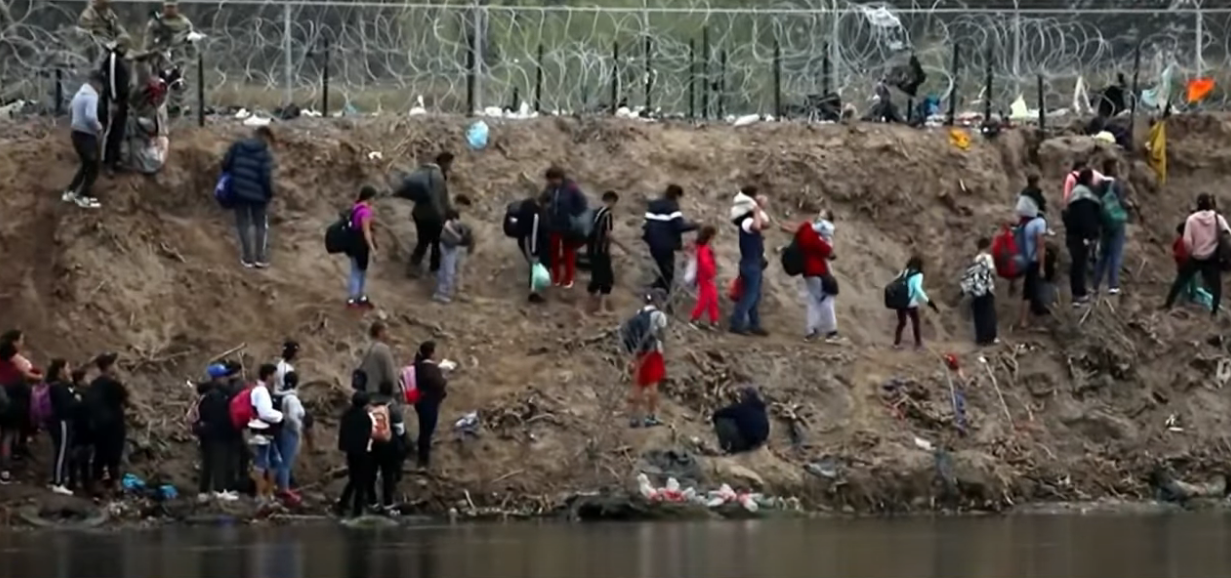
A Texas law that sparked heated debates and legal challenges regarding immigration enforcement has been temporarily halted by a federal appeals court. The law, known as SB-4, aimed to empower local law enforcement to arrest individuals suspected of illegally crossing the border.
The Fifth U.S. Circuit Court of Appeals in New Orleans recently upheld a lower court’s decision, which ruled SB-4 unconstitutional. This development has brought relief to groups and advocates who have vehemently opposed the law, citing concerns about its potential violation of federal immigration statutes.
Legal experts and advocacy organizations, including the Las Americas Immigrant Advocacy Center, argue that SB-4’s provisions are vague and could lead to arbitrary arrests. Jorge Dominguez, a staff attorney at the center, emphasizes that the law’s ambiguity raises questions about its compatibility with federal immigration and asylum laws.
One of the primary issues raised by critics of SB-4 is the expanded authority it grants to local law enforcement agencies. The law allows police officers to detain individuals solely based on suspicion of illegal border crossing, a measure that activists argue could lead to racial profiling and civil rights violations.
The legal battle surrounding SB-4 reflects broader debates about immigration policy and the role of state and local governments in enforcing federal laws. The court’s decision to put the law on hold underscores the complexity and contentious nature of immigration-related legislation.
As the case progresses, arguments are scheduled to resume in the coming week, providing an opportunity for further examination of SB-4’s constitutionality. Advocacy groups, legal experts, and stakeholders on both sides of the issue are closely monitoring developments and preparing to present their perspectives in court.
The temporary halt of Texas’s controversial immigration law marks a significant moment in the ongoing dialogue surrounding border security, law enforcement authority, and constitutional rights. The legal proceedings ahead will play a crucial role in shaping immigration policy and addressing concerns about civil liberties and due process.

