

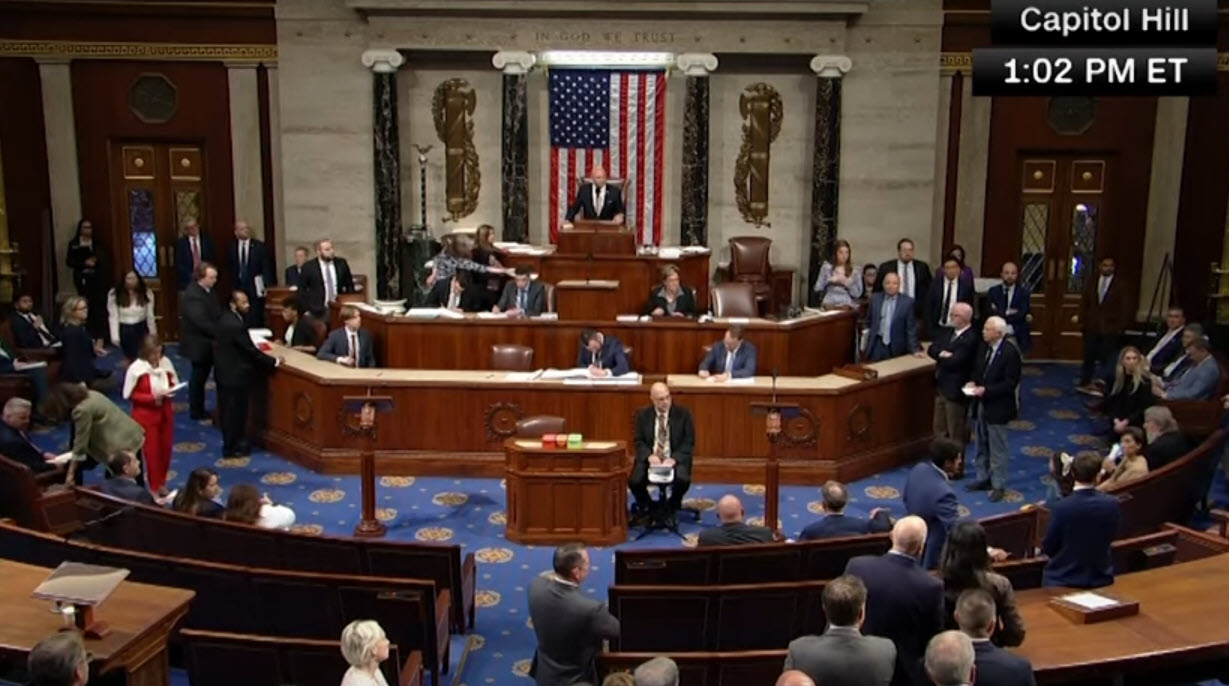
In a recent development in Washington, DC, the House has passed a bill to reauthorize Section 702 of the Foreign Intelligence Surveillance Act (FISA). This decision comes amidst debates over surveillance practices and concerns about privacy rights.
Section 702 of FISA is a critical federal surveillance program that allows intelligence agencies to conduct surveillance on foreigners located abroad, including the collection of electronic communications such as emails and phone calls. While supporters argue that this program is essential for national security and counterterrorism efforts, critics have raised significant concerns about its potential for warrantless spying on Americans.
Before the bill’s passage, the House encountered a key point of contention. Lawmakers failed to adopt a bipartisan amendment that would have required law enforcement to obtain warrants before searching the communications of Americans collected incidentally while surveilling foreign targets. This failure to include such protections has sparked criticism from civil liberties advocates and some lawmakers who view it as a violation of constitutional rights.
House Republicans have been divided on the issue, with conservative members advocating for stricter reforms to limit the scope of surveillance and protect individual privacy. However, the bill ultimately passed without these additional safeguards, highlighting ongoing debates within Congress over the balance between national security interests and civil liberties.
The reauthorization of FISA Section 702 now moves to the Senate for consideration. The Senate faces an upcoming deadline of April 19th to address the reauthorization, adding urgency to the discussions and potential amendments that may be proposed.
As the bill progresses through Congress, the debate over surveillance practices and privacy protections continues to be a focal point of concern for lawmakers, advocacy groups, and the public alike.

