

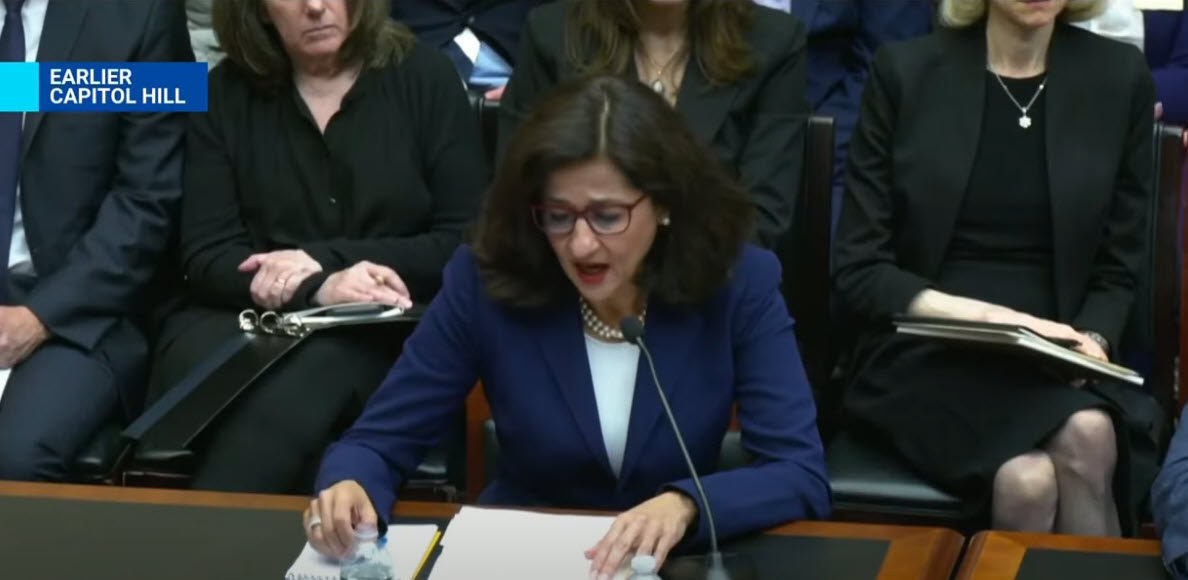
Columbia University’s President, Minouche Shafik, found herself in the hot seat during a congressional hearing focused on the university’s handling of antisemitism on campus. The hearing, spurred by concerns raised by New York Republican Elise Stefanik, delved into the university’s response to faculty members who have been accused of promoting anti-Israel rhetoric.
Stefanik, known for her vocal stance on issues related to Israel, expressed dissatisfaction with Columbia’s perceived lack of action against faculty members who have made statements deemed as antisemitic. She argued that such rhetoric contributes to a hostile environment for Jewish students and undermines efforts to foster inclusivity and diversity on campus.
In response, President Shafik acknowledged the challenges faced by the university in addressing these sensitive issues. She admitted that initially, Columbia was unprepared for the intensity of protests and criticisms following the October 7th attack on Israel. However, she emphasized that the university has since taken significant steps to address the concerns raised.
Shafik outlined some of the measures implemented by Columbia in the aftermath of the protests. These include revising policies on how demonstrations are handled, with a focus on ensuring that all voices are heard while maintaining a respectful and safe environment for all students. As a result of these changes, more than a dozen students have been suspended for their conduct during demonstrations related to the Israel-Hamas conflict.
During the hearing, North Carolina Democrat Alma Adams also weighed in, condemning the ongoing antisemitism prevalent on college campuses since the escalation of tensions between Israel and Hamas. Adams emphasized that universities have a responsibility to actively combat antisemitism and create a welcoming environment for all students, regardless of their background or beliefs.
The hearing comes on the heels of a report from the Anti-Defamation League that graded Columbia University poorly in terms of its efforts to address antisemitism. The report highlighted areas where the university could improve its response and urged greater vigilance in combating hate speech and discriminatory behavior.
As the congressional hearing unfolded, students at Columbia University took to protesting outside the Capitol. Chants in support of Palestine echoed across the university’s south lawn, reflecting the deep emotions and divisions surrounding the Israel-Hamas conflict. Some students expressed frustration over what they perceive as inadequate action by the university to address antisemitism, while others highlighted the complexities and sensitivities of navigating such contentious issues on a college campus.
Members of Congress, observing the protests and the hearing, reiterated the importance of universities taking proactive measures to combat antisemitism and promote a culture of respect and tolerance. The spotlight on Columbia University underscores broader concerns about rising tensions and polarization surrounding discussions on Israel and Palestine within academic institutions across the country.

