

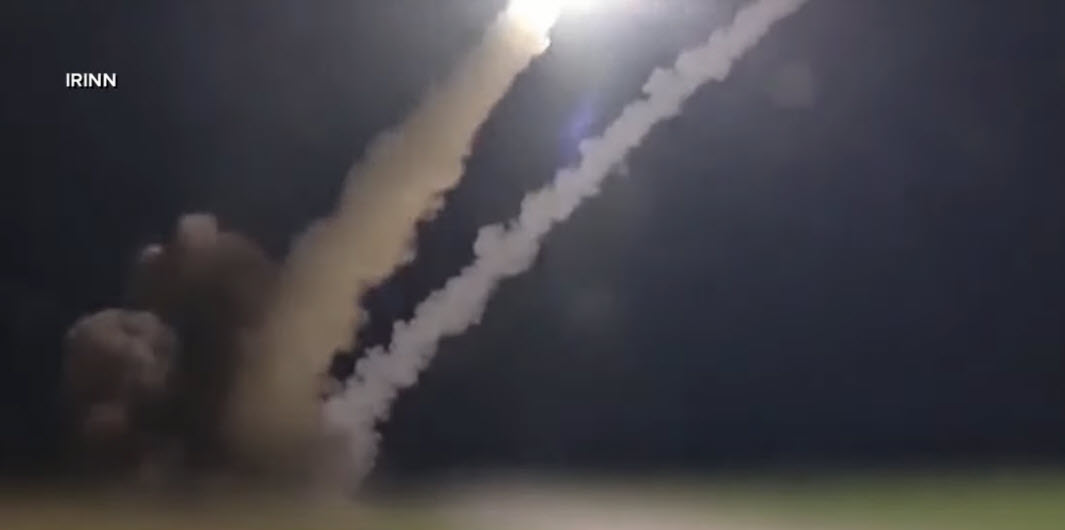
The United States has announced a fresh round of sanctions targeting Iran, focusing on key leaders and entities linked to the country’s missile and drone programs. This move comes amid escalating tensions between the two nations and wider concerns about regional stability.
The sanctions, imposed by the Treasury Department, specifically target Iranian leaders and entities involved in the development and proliferation of missile and drone technology. Additionally, the department has identified and penalized five companies associated with Iran’s steel industry and three subsidiaries of an Iranian automaker.
This latest action by the U.S. underscores its ongoing efforts to pressure Iran over its military activities and regional influence. The targeting of missile and drone programs reflects concerns about Iran’s capabilities and intentions in the region, particularly in light of recent geopolitical developments.
In response to these sanctions and heightened tensions, Israel has signaled its intent to retaliate against Iran, despite warnings and threats from Iranian officials. Israeli Prime Minister Benjamin Netanyahu has asserted that Israel will take necessary measures to defend itself and respond to any threats posed by Iran.
The Israel-Iran conflict has long been a source of regional instability and international concern. Israel’s proactive stance in addressing potential threats from Iran reflects the complex dynamics at play in the Middle East, where geopolitical rivalries and security challenges continue to shape policies and actions.
President Joe Biden’s administration has been monitoring the situation closely, with the U.S. maintaining its support for Israel while also engaging in diplomatic efforts to address broader regional issues. The delicate balance between supporting allies and managing tensions in the region remains a key focus for U.S. foreign policy.
As tensions persist and both sides navigate the complexities of the Israel-Iran conflict, the international community watches closely for developments that could impact regional stability and global security.

