

Israel has conducted a military strike inside Iran, marking a significant escalation in the already tense Middle East region. The strike, reportedly targeting a major military airbase near Isfahan, comes amidst heightened tensions between Israel and Iran, with potential repercussions that could exacerbate regional instability.
Reports indicate that the US was informed in advance about Israel’s intended strike, although it did not endorse the action. Iran’s air defense systems were activated following the strike, with explosions heard near the military airbase. While there have been no immediate reports of casualties or extensive damage, the incident has raised concerns about a potential escalation leading to broader conflict.
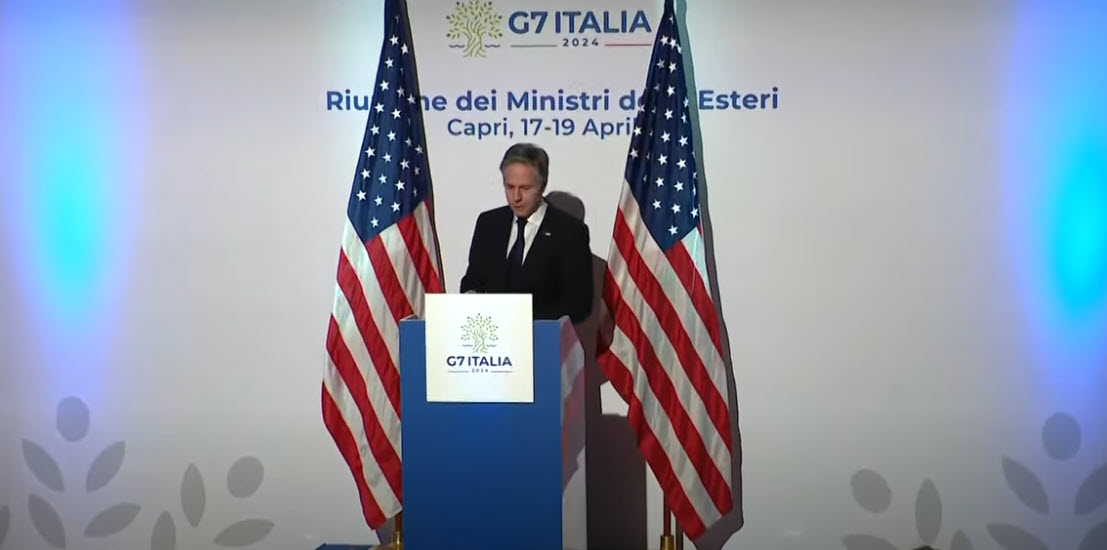
Israel’s retaliatory missile strike on Iran further amplifies the ongoing tensions, prompting calls for de-escalation from international actors, including the United States. Secretary of State Antony Blinken has emphasized the need for restraint and diplomatic solutions to prevent a further spiral of violence in the region.
The recent events add to a series of escalatory actions and reactions between Israel and Iran. Just days earlier, Iran launched a significant drone and missile attack targeting Israel, in response to Israel’s bombing of the Iranian consulate in Damascus that resulted in casualties among Iranian generals.
The situation underscores the fragility of regional stability and the potential for rapid escalation in the Middle East. Analysts and policymakers are closely monitoring developments, with concerns about the impact of these tensions on broader geopolitical dynamics.
Renowned scholar Jeffrey Sachs has weighed in on US policy in the Middle East, warning of the risks associated with escalating conflicts and emphasizing the importance of diplomatic efforts to mitigate tensions.
As the situation continues to evolve, diplomatic channels remain crucial in navigating the delicate balance and preventing a wider conflict in the region.

