

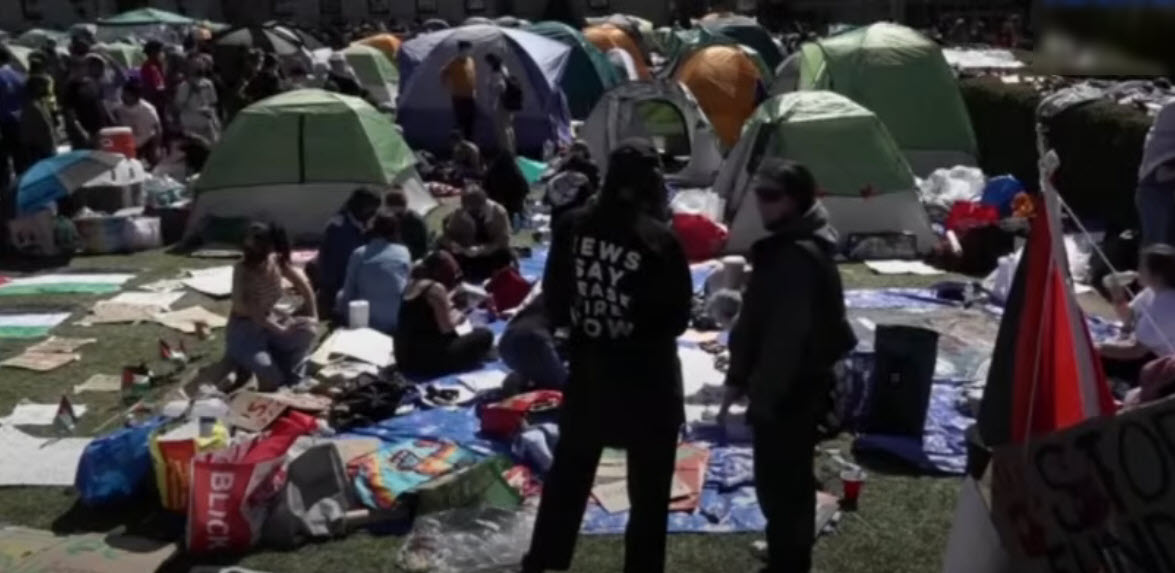
In recent days, the landscape of U.S. college campuses has been marked by a surge in pro-Palestinian protests, igniting debates and concerns about free speech, safety, and the Israeli-Palestinian conflict. At the University of Texas at Austin, the “Palestine Solidarity Committee” has intensified its efforts to establish a visible presence, drawing the attention of Texas state troopers who are monitoring the situation. Similarly, at the University of Southern California, authorities are grappling with a tent protest, indicative of the widespread traction these movements have gained among students.
The focal point of these demonstrations expanded when Columbia University canceled a pro-Palestine valedictorian’s commencement speech, citing safety apprehensions. This decision has stirred controversy, with some questioning the boundaries of free expression on campuses and others emphasizing the need for a balanced approach to handling sensitive geopolitical issues.
In response to the escalating tensions, House Speaker Mike Johnson has made a significant intervention, calling for decisive action from Columbia University’s leadership. Johnson’s demand for the resignation of the university’s president unless she can effectively address the anti-Semitic undertones of the protests underscores the gravity of the situation. He stressed the fundamental right of Jewish students to feel secure and condemned any form of intimidation or harassment.
The broader context of these protests reflects a growing concern among students and policymakers regarding the U.S. stance on the Israel-Hamas conflict and the implications of foreign policy decisions on domestic university environments. The role of social media in mobilizing and amplifying these protests cannot be overlooked, as platforms like TikTok and Twitter have become key channels for organizing and disseminating messages.
UC Berkeley students are staging a pro-Palestinian protest at Sproul Hall, vowing to stay until their demands are met, including severing ties with Israeli entities linked to weapons suppliers. Meanwhile, at the University of Southern California (USC), police are dispersing a similar protest, leading to a scuffle as demonstrators resisted the removal of their tents. Campus officials emphasize the freedom to protest but prohibit camping on campus grounds, highlighting tensions surrounding Palestinian advocacy on college campuses.
Hundreds of protesters at UT Austin demand divestment from companies supplying Israel with weapons, leading to arrests and police intervention. Governor Abbott’s executive order emphasizes free speech responsibilities amid crackdowns on antisemitic protests. At UT Austin and USC, police break up tent protests, echoing similar demonstrations at Ivy League universities. The escalating tensions reflect widespread activism over Palestinian issues on college campuses nationwide.
Students at Brown University have recently established a “Gaza Solidarity Encampment” on their campus, joining a wave of pro-Palestinian protests taking place at universities across the country. This move reflects a growing trend of activism and solidarity with Palestinians amidst ongoing conflicts and tensions in the region. The encampment at Brown University signifies students’ commitment to raising awareness and advocating for the Palestinian cause within their academic community.
In a video posted on social media Wednesday, Israeli Prime Minister Benjamin Netanyahu expressed his concerns about the pro-Palestinian protests on college campuses, describing them as “reminiscent of what happened” in Germany in the 1930s. Netanyahu’s remarks highlight the gravity with which he views the current situation, drawing parallels to historical events to emphasize the potential dangers of unchecked activism.
As these developments unfold, universities across the nation, including Yale, Harvard, and others, find themselves navigating complex terrain where issues of identity, ideology, and international relations intersect. The outcome of these protests and the responses they elicit from academic institutions and political leaders will likely shape the discourse on campus activism and the boundaries of free speech for years to come.

