

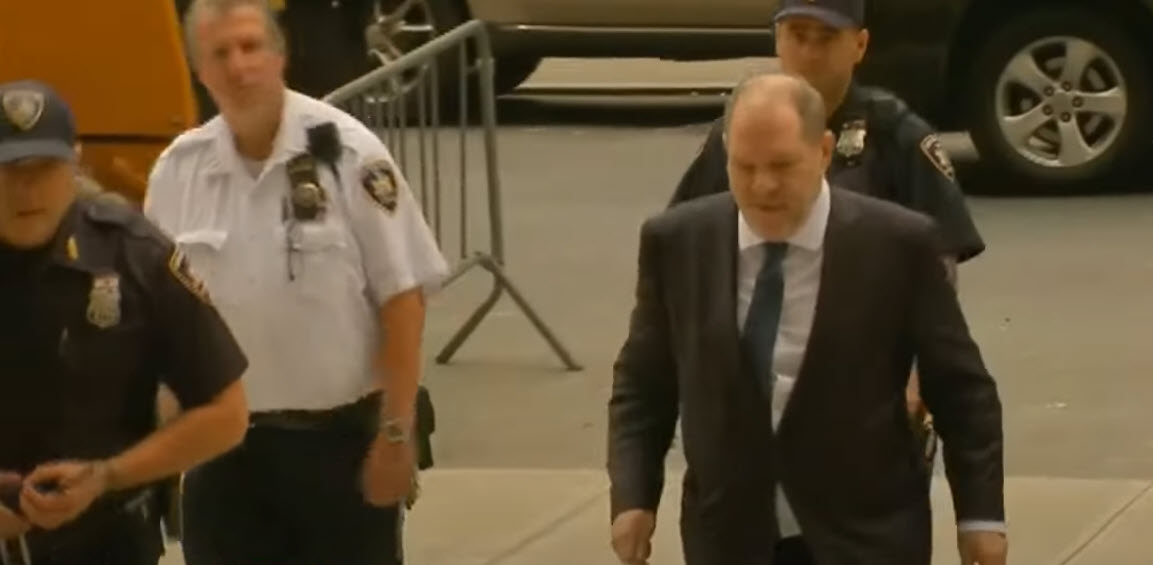
Harvey Weinstein’s 2020 New York conviction for sex crimes has been overturned by the state’s highest court, throwing a wrench into the #MeToo movement and raising questions about the future of his case.
The New York Court of Appeals, in a closely contested 4-3 decision, ruled that Weinstein’s trial judge made a critical error by allowing testimony from multiple women about alleged sexual misconduct separate from the charges against him. This type of testimony, known as “prior bad acts,” can be risky, and the court determined it prejudiced the jury against Weinstein.
The overturned conviction doesn’t erase the allegations. Weinstein still faces a new trial in New York, though the timing remains uncertain. However, this setback could provide his defense with renewed momentum. Weinstein’s legal team has already expressed confidence in their ability to secure a more favorable outcome in the second trial.
The Weinstein case was a landmark moment in the #MeToo movement, emboldening victims of sexual assault to come forward and seek justice. This reversal is a blow to that movement, raising concerns about the challenges victims face in the legal system. Actress Ashley Judd, one of Weinstein’s accusers, expressed frustration at the decision, highlighting the need for stronger protections for victims.
It’s important to note that Weinstein’s 2022 Los Angeles conviction for rape remains in place. He was sentenced to 16 years in prison for that case. California Governor Gavin Newsom, whose wife is among Weinstein’s accusers in the Los Angeles case, reacted with outrage to the New York decision, criticizing Weinstein’s defense team.
The overturned conviction in New York is a complex situation with significant implications. While the Los Angeles conviction remains, the New York case will continue, with a new trial on the horizon. This case will be closely watched to see how the legal system handles such high-profile accusations and what it means for the future of the #MeToo movement.

