

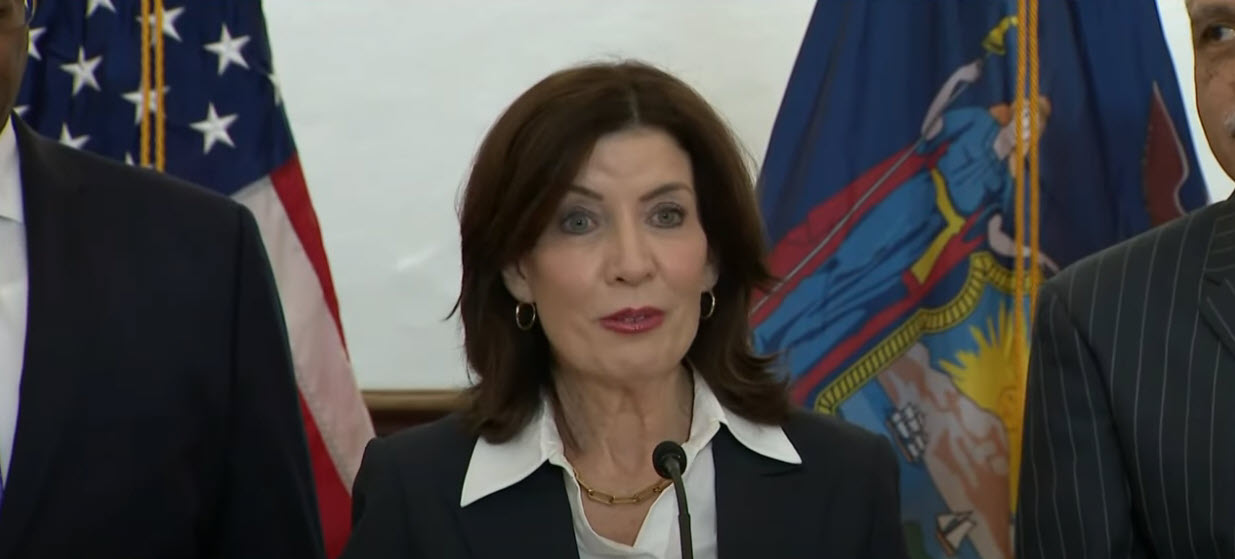
Governor Hochul has announced a significant allocation of more than $33 million to bolster mental health services within New York’s criminal justice system, marking a crucial step towards improving mental health outcomes and enhancing safety.
The funding, embedded in the state’s fiscal budget, is earmarked for various initiatives aimed at expanding access to mental health support for individuals within the criminal justice framework. Governor Hochul emphasized that this investment will play a pivotal role in transforming the state’s mental health care system, ensuring that individuals receive the care and support they need while navigating the criminal justice process.
Key aspects of the funding include the expansion of mental health courts, which serve as specialized judicial forums focused on addressing the unique needs of individuals with mental health conditions within the legal system. The additional resources will also bolster treatment programs, enhance specialized housing facilities tailored to mental health needs, and empower mental health navigators. These navigators play a vital role in fostering trust and engagement among individuals seeking mental health services, bridging gaps and ensuring seamless access to care.
Governor Hochul highlighted the importance of revamping facilities like the Midtown Community Justice Center, originally designed for rehabilitation rather than treatment. The infusion of funds will facilitate a shift towards a more comprehensive approach that prioritizes mental health treatment and support alongside rehabilitation efforts.
This substantial investment is part of New York’s broader $1 billion plan to overhaul its mental health care infrastructure, reflecting a commitment to creating a safer and more equitable environment for all residents. By strengthening mental health services within the criminal justice system, New York aims to address underlying issues, reduce recidivism rates, and promote holistic well-being among individuals involved in the legal process.
The announcement underscores New York’s proactive stance in addressing mental health challenges and underscores the importance of prioritizing mental health initiatives as integral components of public safety and social welfare.

