

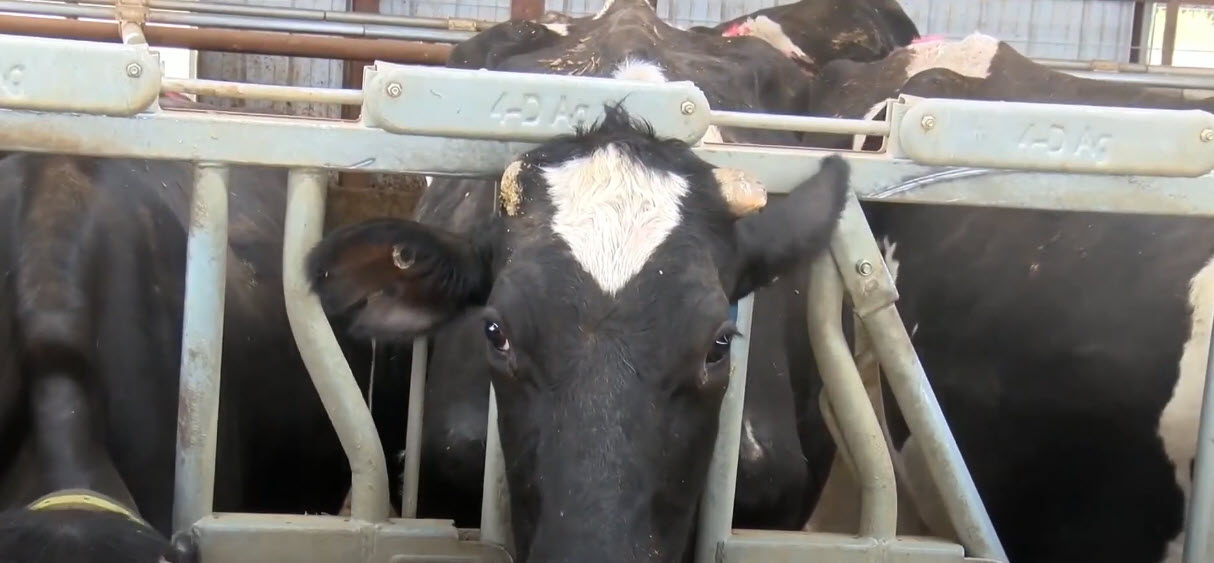
The U.S. Department of Agriculture (USDA) has issued a new directive requiring testing for bird flu in dairy cows being transported across state lines. This decision comes amidst growing concerns about the spread of avian influenza and its potential impact on the dairy industry.
The FDA recently made headlines with its detection of bird flu traces in milk sold at grocery stores. However, experts like Dr. Peter Hotez, an infectious disease specialist at Baylor College of Medicine in San Antonio, clarify that this finding is not cause for alarm. Dr. Hotez explains that pasteurization, a standard process for milk, effectively destroys the virus, making the milk safe for consumption. He reassures consumers that there is no need to discard milk based on these findings.
Traces of bird flu are being found in about one in five samples of pasteurized retail milk. But the FDA says that doesn’t necessarily mean there’s a risk of infection to consumers. In an update this week, the FDA said additional testing would be needed to determine whether pathogens are actually present in the milk. It also reiterated a warning against drinking raw milk.
Despite the detection of bird flu in some Texas dairy cows and a positive test result from a worker in close contact with the animals, authorities have not observed any signs of the virus spreading beyond these instances. Nevertheless, to ensure further prevention and control measures, the FDA has mandated pre-transport testing for dairy cows to mitigate the risk of interstate transmission.
Dr. Hotez emphasizes that the test’s detection of remnants of the virus after pasteurization does not pose a health threat to consumers. This clarification aims to alleviate any undue concerns and maintain confidence in the safety of dairy products.
The USDA’s proactive approach and collaboration with experts like Dr. Hotez reflect ongoing efforts to safeguard public health and the integrity of the dairy industry amid emerging health challenges.

