

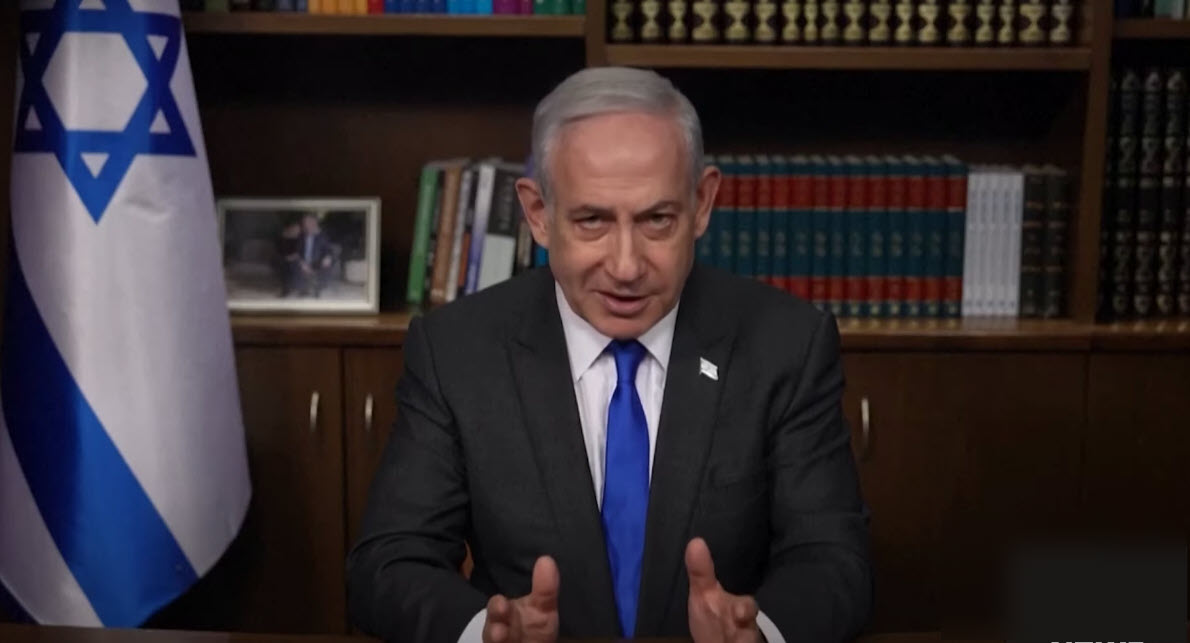
Israel’s Prime Minister Benjamin Netanyahu has strongly criticized the International Criminal Court (ICC) for considering arrest warrants against him and other top officials, marking a significant escalation in tensions between Israel and the ICC. Speaking from Jerusalem on Tuesday, Netanyahu condemned the potential warrants as “an outrage of historic proportions,” signaling the gravity with which Israel views these developments.
The ICC’s move stems from its investigations into alleged violations of international law during the Israel-Hamas conflict, a longstanding and complex issue that has seen cycles of violence and diplomatic challenges. Israel, while not a member of the ICC and therefore not recognizing its jurisdiction, faces scrutiny as the ICC considers charges against its officials.
Netanyahu’s comments reflect Israel’s broader stance on international legal frameworks and sovereignty. He emphasized Israel’s status as a democratic nation defending itself within the rules of war and expressed concern that being accused of war crimes could set a dangerous precedent for other democracies facing similar challenges.
The tension between Israel and the ICC has broader implications for international law, particularly regarding conflicts involving non-member states and issues of jurisdiction and accountability. It also raises questions about the effectiveness and legitimacy of international legal bodies in addressing complex geopolitical conflicts.
In response to Netanyahu’s statements, experts and lawmakers have weighed in on the potential consequences of ICC actions against Israeli officials. Some argue that such actions could have far-reaching diplomatic and legal ramifications, while others stress the importance of accountability and justice in conflict resolution.
The ongoing situation underscores the complexities of navigating international law, human rights, and political realities in conflict zones. As the ICC deliberates on its next steps, the world watches closely to see how this situation will unfold and its impact on international relations and legal norms.

