

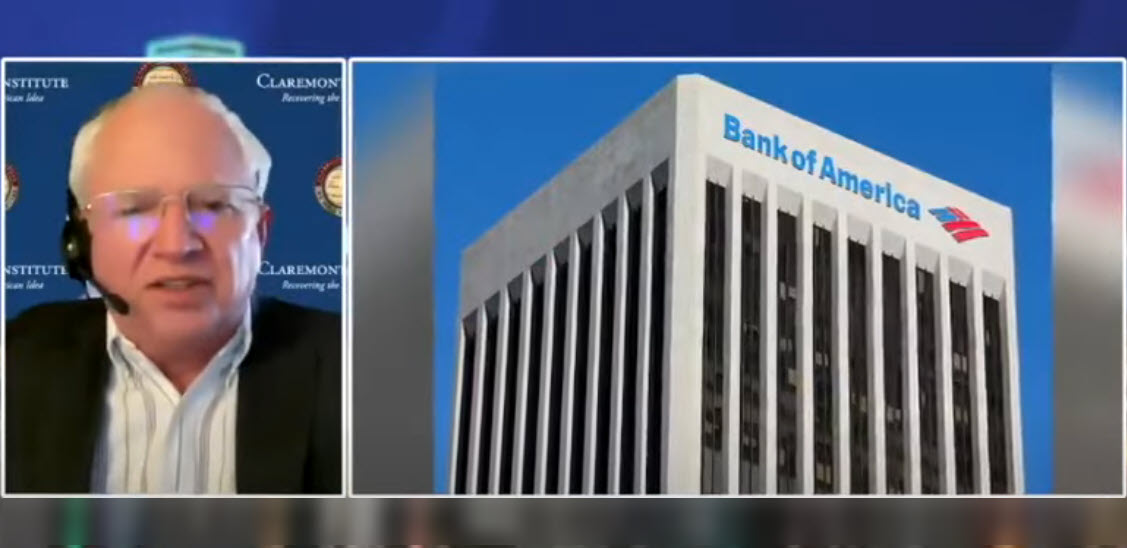
USAA, a financial institution known for serving veterans, is facing backlash from Republicans for terminating the bank account of John Eastman, a lawyer associated with former President Donald Trump. This action has sparked a broader conversation about banks distancing themselves from controversial political figures.
The controversy centers on USAA’s decision to cancel Eastman’s account due to his alleged involvement in Trump’s efforts to overturn the 2020 presidential election. Texas Comptroller Glenn Hegar criticized USAA, labeling the move as a manifestation of “woke” culture within the company. He expressed surprise that a firm catering to veterans would align with what he perceives as leftist politics.
The decision by USAA followed a ruling by a California judge, which found Eastman guilty of ethics violations in a state bar disciplinary case. Despite this, Eastman is contesting the attempt to permanently revoke his law license. Apart from his association with Trump, Eastman also represents two members of Congress, Marjorie Taylor Greene and Matt Gaetz, in a legal battle against two California cities that refused to host their political event.
The incident involving USAA and Eastman highlights a broader trend where financial institutions are increasingly cautious about their associations with individuals involved in contentious political activities. Banks and other companies face pressure to navigate complex ethical and legal considerations while balancing their relationships with high-profile clients and public perception.
The GOP’s criticism of USAA’s actions reflects ongoing tensions surrounding free speech, political affiliations, and corporate responsibility. This incident is likely to fuel discussions about the role of financial institutions in political controversies and their obligations to their customers and shareholders.
As the situation unfolds, it raises questions about the boundaries between financial institutions’ business decisions and political considerations, highlighting the challenges faced by companies operating in today’s polarized political landscape.

