

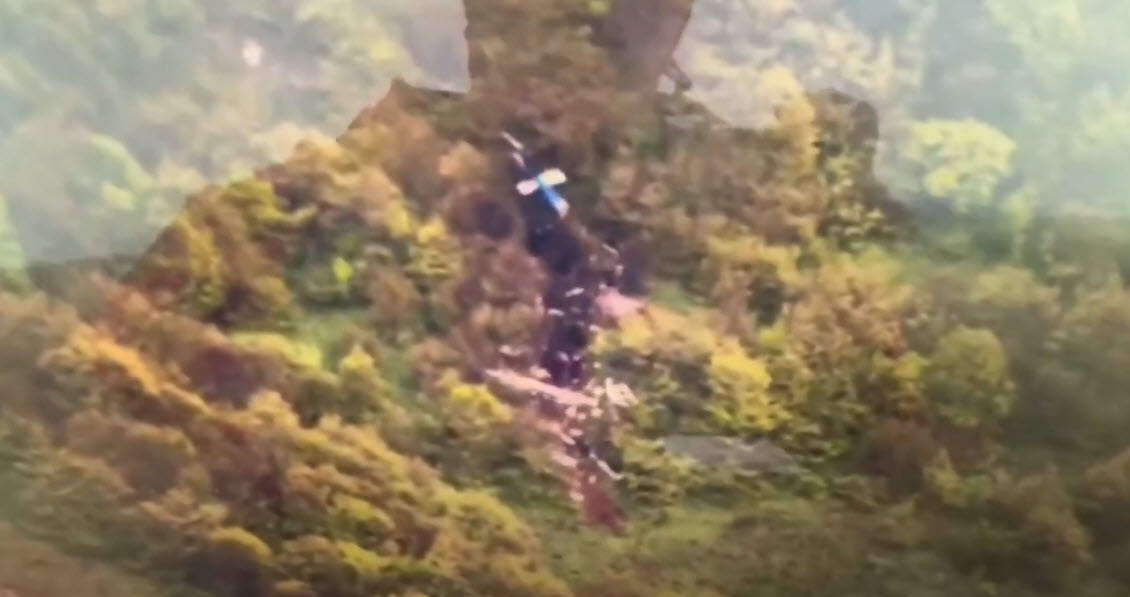
The Iranian government confirms the death of President Ebrahim Raisi following a helicopter crash on Sunday afternoon in the mountain province of East Azerbaijan. Raisi, along with eight others, including Iranian Foreign Minister Hossein Amir-Abdollahian, was on board the helicopter that encountered heavy fog and crashed in a mountainous region while returning from a visit to the Iran-Azerbaijan border.
The crash of the helicopter carrying Iranian President Ebrahim Raisi and other top officials has sent shockwaves through Iran and the international community. The Iranian state-run media initially reported that the helicopter suffered a “hard landing” due to foggy weather conditions. Rescue crews are still searching the misty, rural forest area where the helicopter is believed to have crashed. The condition of the other passengers, including Foreign Minister Amir-Abdollahian, remains unknown as the helicopter has not yet been found.
The Turkish foreign ministry expressed sadness over the incident, offering support for the search and rescue operations and hoping for the safety of the Iranian officials on board. The crash comes at a particularly sensitive time for Iran, which has recently engaged in significant geopolitical and internal challenges.
Under Raisi and Supreme Leader Ayatollah Ali Khamenei, Iran has launched unprecedented drone and missile attacks on Israel and enriched uranium closer to weapons-grade levels. The country has also faced mass protests over economic conditions and women’s rights, exacerbating tensions within the nation. The helicopter crash has raised concerns about the future leadership and stability of Iran amid these ongoing issues.
The crash occurred near Jolfa, a city on the border with Azerbaijan, approximately 600 kilometers northwest of Tehran. Conflicting reports later placed the crash site near the village of Uzi. Traveling with Raisi were several high-ranking officials, including the governor of East Azerbaijan province and bodyguards. A local government official described the incident as a “crash” but noted that he had not yet reached the site himself. Raisi was 63 years old.
With Raisi’s death confirmed, Iran’s first vice president, Mohammad Mokhber, will assume the role of acting president with the approval of the supreme leader, in accordance with Article 131 of the Islamic Republic’s constitution. This transition is crucial as Iran navigates its internal and external challenges.
Former Iranian Foreign Minister Mohammad Javad Zarif has blamed U.S. sanctions on aviation parts for the crash, highlighting the ongoing tensions between Iran and the United States. The helicopter involved, a U.S.-made Bell 212, reportedly slammed into a mountain peak. Iran’s military chief has announced an investigation into the cause of the crash to determine if sanctions-related issues or other factors played a role.
The loss of President Raisi is a significant event for Iran, impacting its political landscape and future direction. The international community closely watches the developments as Iran deals with this tragedy amidst its broader challenges.

