

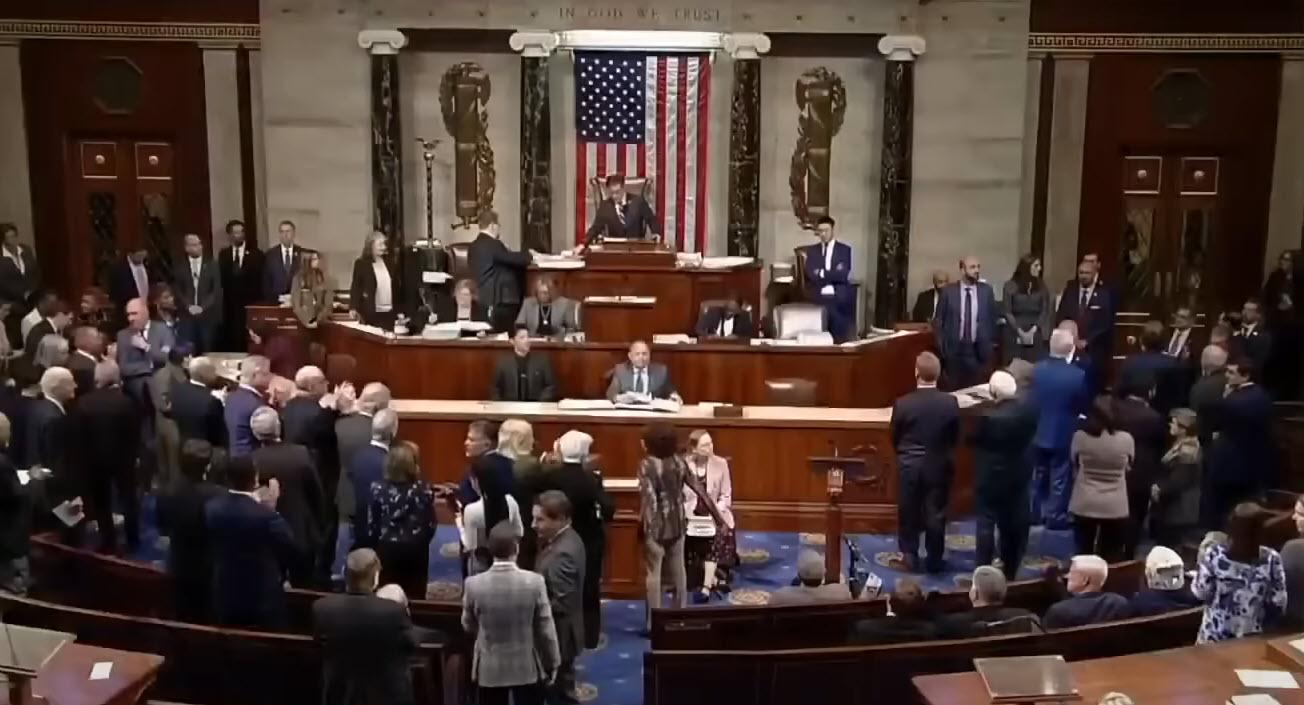
A bipartisan border security bill fails to pass the Senate for the second time in recent months. The vote, held this afternoon, saw 43 senators in favor and 50 against the bill, which had been negotiated last fall by Democratic and Republican senators. The legislation aimed to enhance border security measures, including hiring more Border Patrol agents and funding technology to combat fentanyl trafficking.
Senate Majority Leader Chuck Schumer brought the bill to the floor after its previous failure in February, attributing the setback to Republican opposition influenced by former President Donald Trump. Schumer accused Republicans of “caving to Trump’s opposition” and undermining bipartisan efforts to address border security issues.
Republicans, however, argue that the bill does not go far enough to secure the U.S.-Mexico border. Texas Senator Ted Cruz criticized the bill, blaming President Joe Biden for what he sees as inadequate measures to protect the border. Cruz and other Republicans insist that more stringent policies are necessary to effectively manage border security and immigration.
In response to the bill’s failure, President Biden issued a statement condemning the Republican opposition. He accused Republicans of prioritizing political gain over national security and criticized their unwillingness to support legislation that would strengthen border enforcement. Biden highlighted the bill’s provisions, which included increasing Border Patrol personnel and improving technology to detect and prevent drug trafficking, particularly fentanyl.
The collapse of the bipartisan effort underscores the deep divisions in Congress over how to handle border security and immigration. With the November elections approaching, both parties are likely to continue to use the issue as a focal point for their campaigns, further complicating prospects for any legislative compromise.
As the debate continues, the need for effective border security measures remains a critical issue, with lawmakers from both sides of the aisle acknowledging the importance of addressing the challenges at the U.S.-Mexico border. However, finding a mutually agreeable solution remains elusive, leaving the future of border security legislation uncertain.

