

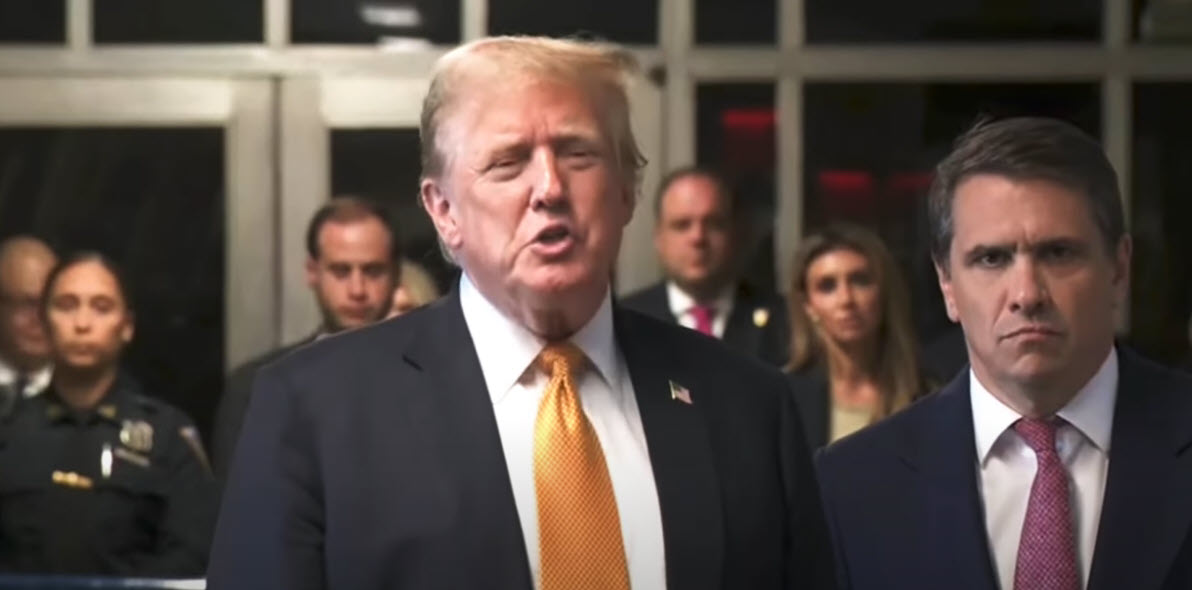
Jury deliberations are now underway in former President Donald Trump’s high-profile hush money trial. The fate of the former president, who is charged with falsifying business records before the 2016 election to conceal payments to adult film star Stormy Daniels, rests in the hands of twelve ordinary Americans. After nearly five weeks of proceedings, the jury, consisting of seven men and five women, is tasked with reaching a unanimous decision on each of the 34 counts against Trump.
Trump has repeatedly claimed that the trial is a political scam, suggesting that not even Mother Theresa could beat the charges he faces. He insists that his prosecution is a weaponization of the justice system and has accused the White House of orchestrating the case against him. Trump’s defense team and the prosecution have sparred over the jury instructions, which were ultimately decided by Judge Juan Merchan. These instructions are critical, as they guide the jury’s deliberations.
Trump’s case has drawn significant media attention, with reporters such as NBC News Correspondent Yasmin Vossoughian detailing the heightened security measures outside the courthouse. The trial marks the first time an American president has stood trial in a criminal case, adding to the historical significance of the proceedings.
If convicted, Trump could face up to four years in prison. However, most legal experts believe that actual incarceration is unlikely, even if he is found guilty. The judge has the discretion to impose a lesser sentence, such as a fine, probation, or supervision. The outcome of the trial remains uncertain as the jury deliberates on the charges.
The deliberations are expected to take an unspecified amount of time, and the nation watches closely as the trial continues to unfold. The implications of the verdict are profound, potentially setting a precedent for the legal accountability of a former president.

