

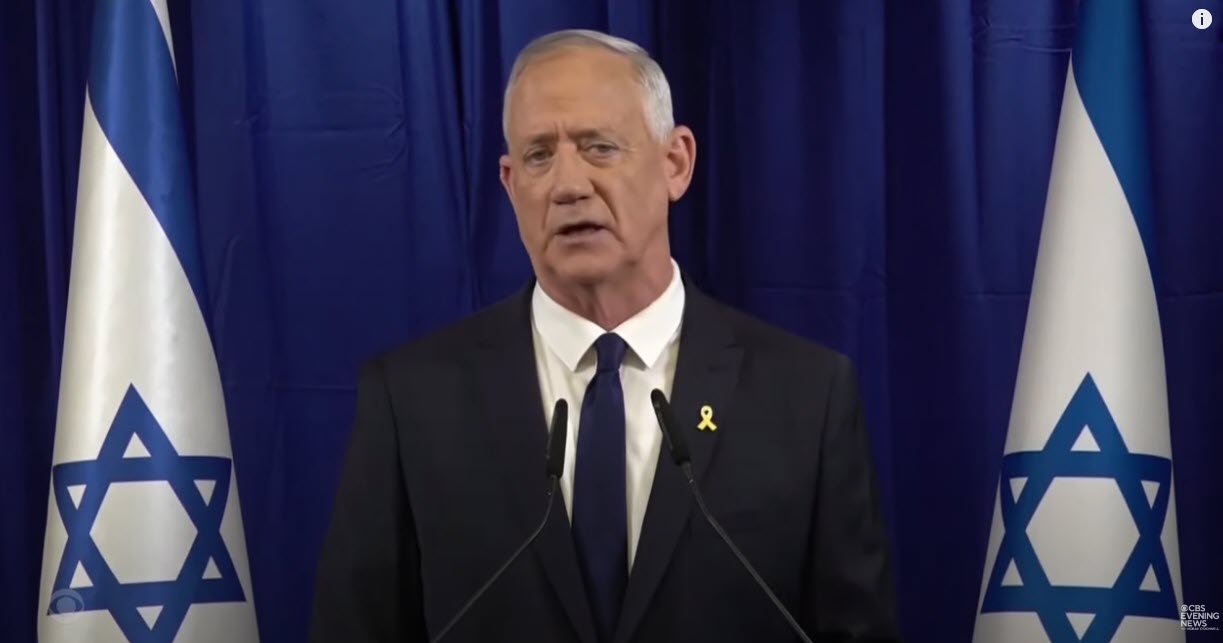
There’s a major shake-up in Israel’s war Cabinet as Prime Minister Benjamin Netanyahu’s key rival, Benny Gantz, resigns, citing the lack of a postwar plan for Gaza. In a televised speech on Sunday, Gantz called for national elections this fall to “win the trust of the people.” His resignation comes just one day after Israeli forces rescued four hostages held by Hamas. Health officials in Gaza report that the raid also resulted in the deaths of more than 270 Palestinians.
Gantz’s resignation highlights growing political tensions within Israel’s leadership as the country grapples with ongoing conflict and the aftermath of significant military operations. Gantz criticized the current administration for not having a clear strategy for Gaza following the military engagements, emphasizing the need for a comprehensive postwar plan to ensure stability and peace.
The rescue operation that preceded Gantz’s resignation was marked by both success and tragedy. While the recovery of the hostages was hailed as a significant achievement, the high number of Palestinian casualties has drawn international concern and calls for accountability.
In his speech, Gantz stressed the importance of restoring public confidence through democratic means, suggesting that new elections could provide a mandate for a clearer and more effective governance strategy. His departure from the war Cabinet introduces uncertainty into the political landscape, potentially influencing Israel’s approach to the conflict and its broader political direction.
As Israel navigates these internal challenges, the call for elections and the quest for a cohesive postwar plan will likely dominate political discourse in the coming months. The impact of Gantz’s resignation and the subsequent elections could reshape the nation’s approach to both domestic and international issues.

