

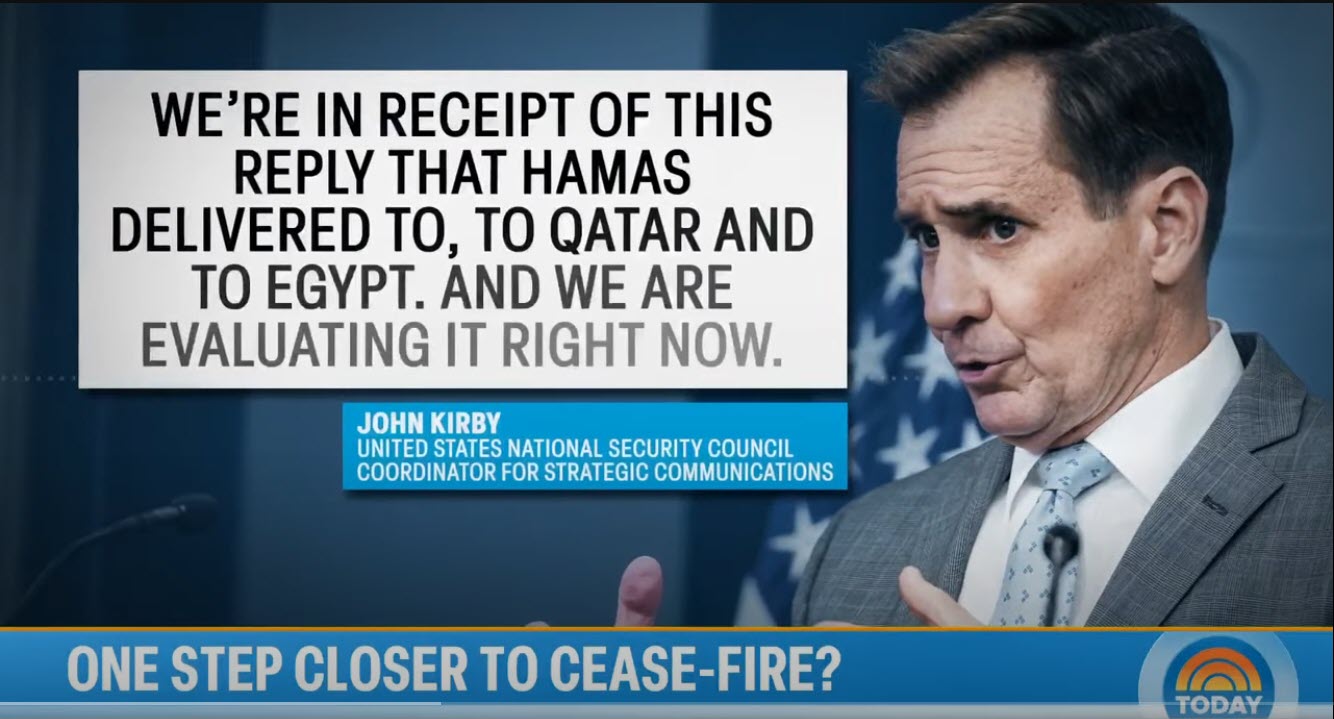
Efforts to broker peace in the Gaza conflict have intensified as Hamas responds to a U.S.-backed ceasefire proposal. The militant group submitted its response on Tuesday to officials in Qatar and Egypt, seeking reassurances about an end to the war with Israel. Hamas’s response includes a detailed timeline for a permanent ceasefire and demands the complete withdrawal of Israeli troops from Gaza. This move comes amid increasing international pressure to end the hostilities that have caused significant humanitarian concerns.
In a related development, the United Nations Security Council has approved a ceasefire deal drafted by the United States, aiming to stop the fighting between Israel and Hamas. The proposal saw broad support, with fourteen council members voting in favor, while Russia chose to abstain. The ceasefire agreement stipulates that Israel will release some hostages held by Hamas in exchange for a six-week cessation of hostilities.
Secretary of State Antony Blinken is currently in the Middle East, actively engaging with world leaders to press Hamas into accepting the ceasefire proposal. Blinken’s diplomatic tour underscores the urgency and importance of international collaboration in resolving the conflict. He has been advocating for a swift agreement to prevent further escalation and to facilitate humanitarian aid to Gaza.
Hamas’s conditions for agreeing to the ceasefire include not only a timeline for ending the conflict but also assurances of Israeli troop withdrawal from Gaza. These demands highlight the group’s insistence on concrete actions and commitments to ensure a lasting peace. The involvement of officials from Qatar and Egypt, who are mediating the discussions, is seen as crucial in bridging the gap between the conflicting parties.
Israel has accepted the U.S.-drafted ceasefire proposal, which involves the release of hostages held by Hamas. This aspect of the agreement is particularly sensitive, as it addresses one of the core issues exacerbating the conflict. The release of hostages is expected to be a critical step towards building trust and paving the way for longer-term peace negotiations.
The international community, particularly through the UN Security Council’s actions, is playing a pivotal role in mediating the conflict. The broad support for the ceasefire proposal, despite Russia’s abstention, reflects a consensus on the need for immediate cessation of violence. The UN’s involvement is crucial in monitoring the ceasefire’s implementation and ensuring that both parties adhere to the agreed terms.
The current ceasefire efforts are a significant step towards de-escalating the Gaza conflict. However, the future remains uncertain, as both sides have deeply entrenched positions and mutual distrust. The successful implementation of the ceasefire and the subsequent peace talks will require sustained diplomatic efforts, transparency, and commitment from all parties involved.
As the situation develops, the international community remains watchful, ready to support measures that promote peace and stability in the region. The hope is that these initial steps will lead to a comprehensive and enduring resolution, ending years of conflict and fostering a more peaceful coexistence.

