

The Centers for Disease Control and Prevention (CDC) is raising alarms about a new COVID-19 variant, KP-3.1.1, which has rapidly doubled in prevalence in the United States over the past two weeks. This variant now accounts for one in four COVID cases nationwide. Public health experts note that KP-3.1.1 is significantly more infectious than previous variants and has a greater capacity to evade immunity conferred by existing COVID vaccines.
This warning coincides with the detection of high levels of COVID-19 in wastewater across 20 states, indicating a broader resurgence of the virus. Those most at risk from this new variant include seniors aged 65 and older, individuals who are immunocompromised, and people with underlying conditions such as diabetes, lung, or heart disease.
COVID-19 Cases Spike in California
California is experiencing a surge in COVID-19 cases, surpassing the peaks seen in the last two summers. Dr. Peter Chin-Hong of UC San Francisco attributes this spike partly to increased travel, as many families took summer vacations, thereby exposing themselves to germs from around the world at airports and other travel hubs.
Despite the rise in cases, hospitalizations remain lower than in previous waves, although they are on the increase. The CDC reports that 43 states are currently experiencing “high” or “very high” levels of COVID-19 in wastewater, underscoring the widespread nature of the current surge.
Dr. Chin-Hong emphasizes that the hot summer months may also contribute to the virus’s spread, as people congregate indoors to escape the heat, facilitating transmission.
Texas Sees Increase in COVID-19 Cases
Texas is also witnessing a significant uptick in COVID-19 cases, with current levels surpassing those of the past two summers. Dr. Jason Bowling from UT Health San Antonio points to the increased travel and gatherings during summer vacations as a major factor in the rise of infections.
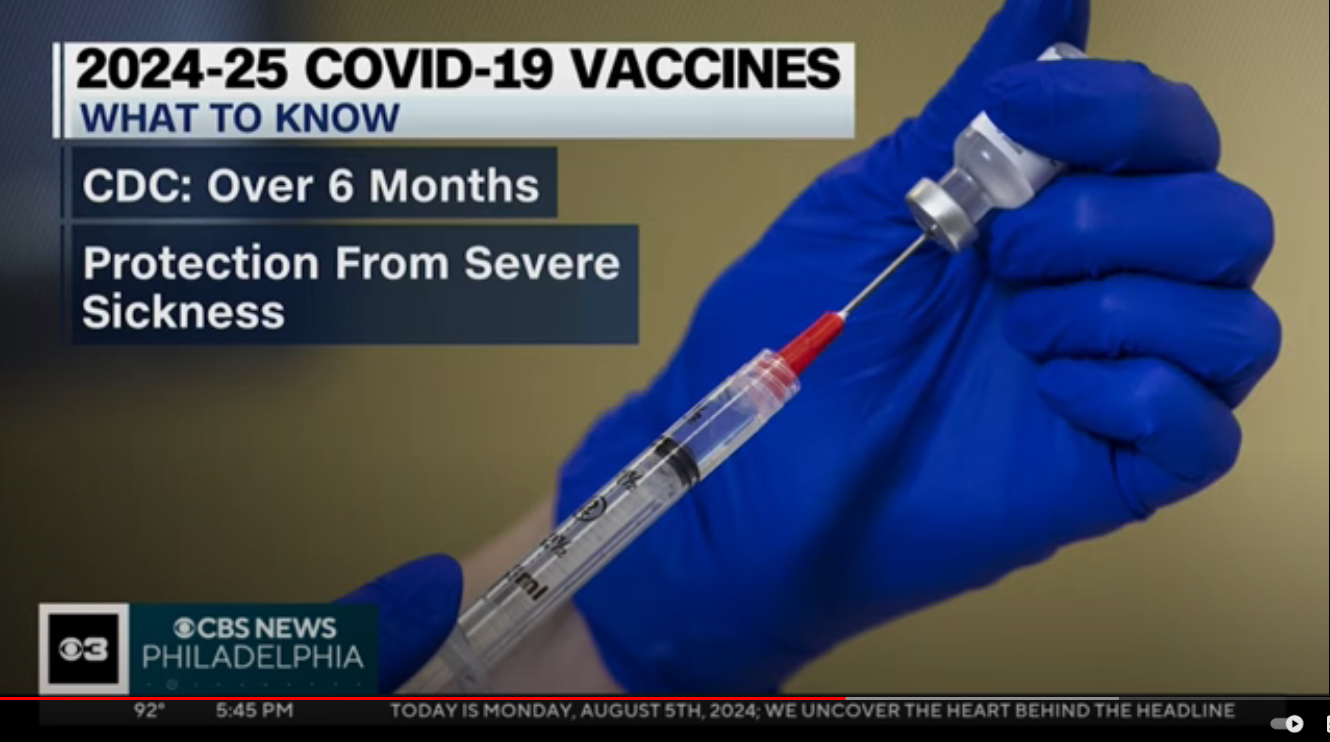
A new COVID-19 booster is expected to become available in late August or early September, which could help mitigate the spread of the virus. Dr. Bowling also highlights the ongoing mutation of the virus and anticipates that future vaccinations might combine the COVID-19 and flu vaccines to provide broader protection.
Broader Implications and Public Health Response
The rapid spread of the KP-3.1.1 variant and the general rise in COVID-19 cases across the United States signify the virus’s persistent ability to mutate and challenge public health efforts. Health officials stress the importance of continued vigilance, vaccination, and adherence to public health guidelines to manage and mitigate the impact of these surges.
The CDC’s warning and the observed spikes in various states highlight the need for ongoing monitoring and readiness to respond to new developments in the pandemic. As new variants emerge and spread, the global health community must adapt strategies to protect the most vulnerable populations and control transmission.

