

The University of Minnesota’s Board of Regents has voted to reject calls for divestment from Israel-related investments and has adopted a policy of neutrality regarding future investment decisions for its Consolidated Endowment Fund. This decision comes after months of heated debate and student protests on campus.
In the spring of 2024, the university faced significant pressure from student activists demanding divestment from companies associated with Israel, particularly in light of the ongoing Israel-Hamas conflict. Students organized protests, including an encampment on the Northrop Mall, which led to the arrest of nine individuals.
The Board of Regents voted nearly unanimously to implement a policy of institutional neutrality regarding investment decisions. This policy directs that investment choices be based solely on financial criteria, rather than social or political considerations.Chair Janie Mayeron explained the board’s position, stating, “After careful consideration of all this input, we believe today’s action honors our fiduciary duty and the long-term needs of the University”.
The university’s endowment is valued at approximately $2.27 billion, with investments in Israeli firms totaling about $2 million. Among these holdings, only one company, Elbit Systems, is directly tied to Israeli defense through its production of drones.
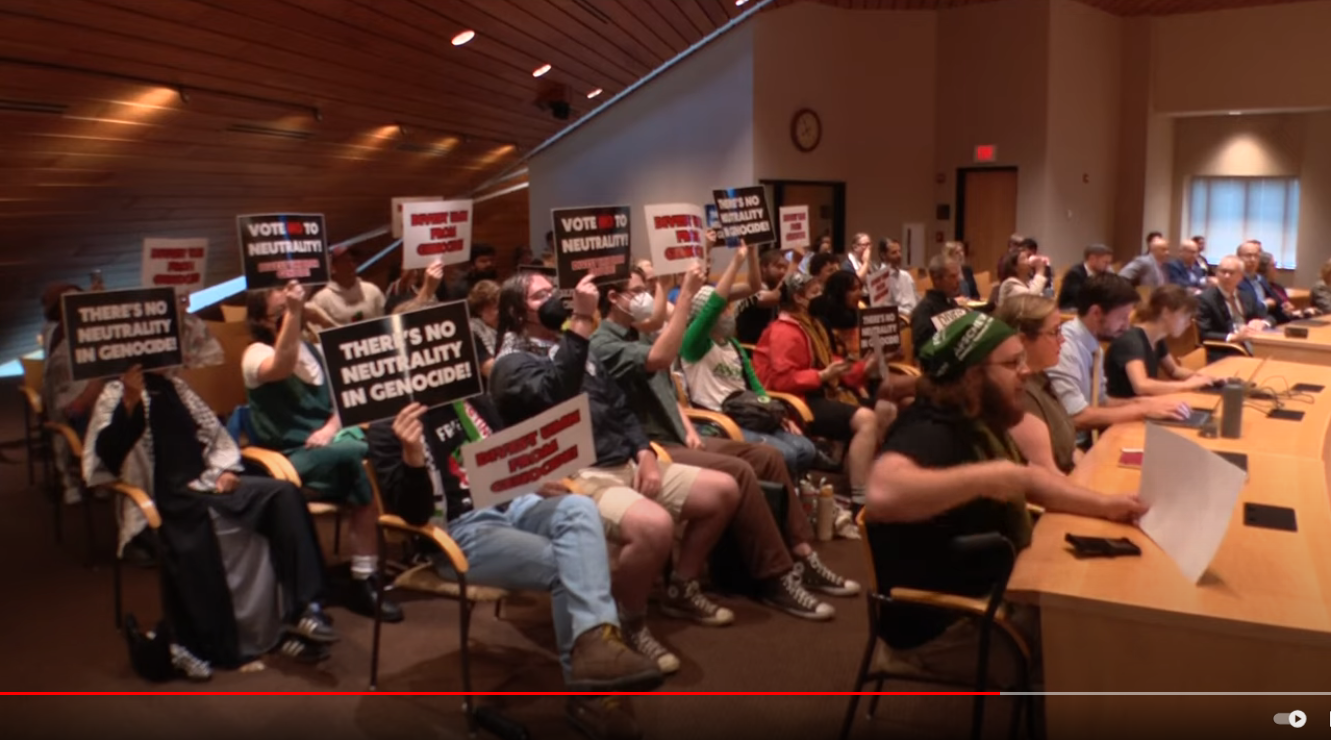
The decision has been met with disappointment from pro-divestment students and activists. During the board meeting, protesters held signs reading “vote no” and “there is no neutrality in genocide.” After the vote, regents exited to chants of “shame, shame”.Fae Hodges, a junior at the university, expressed frustration, saying, “The board and the administration have continued to show us that they will take every avenue possible to stall or block our proposal, even after claiming to work with us in good faith”.
The new policy not only rejects the current divestment proposal but also sets a high bar for future divestment requests. Any future proposals must demonstrate that the investments are “fundamentally incompatible with the university’s core mission and values” and show “broad consensus” on the issue both on campus and nationwide.
While the University of Minnesota maintains that this decision upholds its fiduciary responsibilities and long-term interests, it has undoubtedly created tension with a segment of its student body. The debate over the university’s investment policies and its role in global political issues is likely to continue, even as the institution attempts to maintain a neutral stance.

