

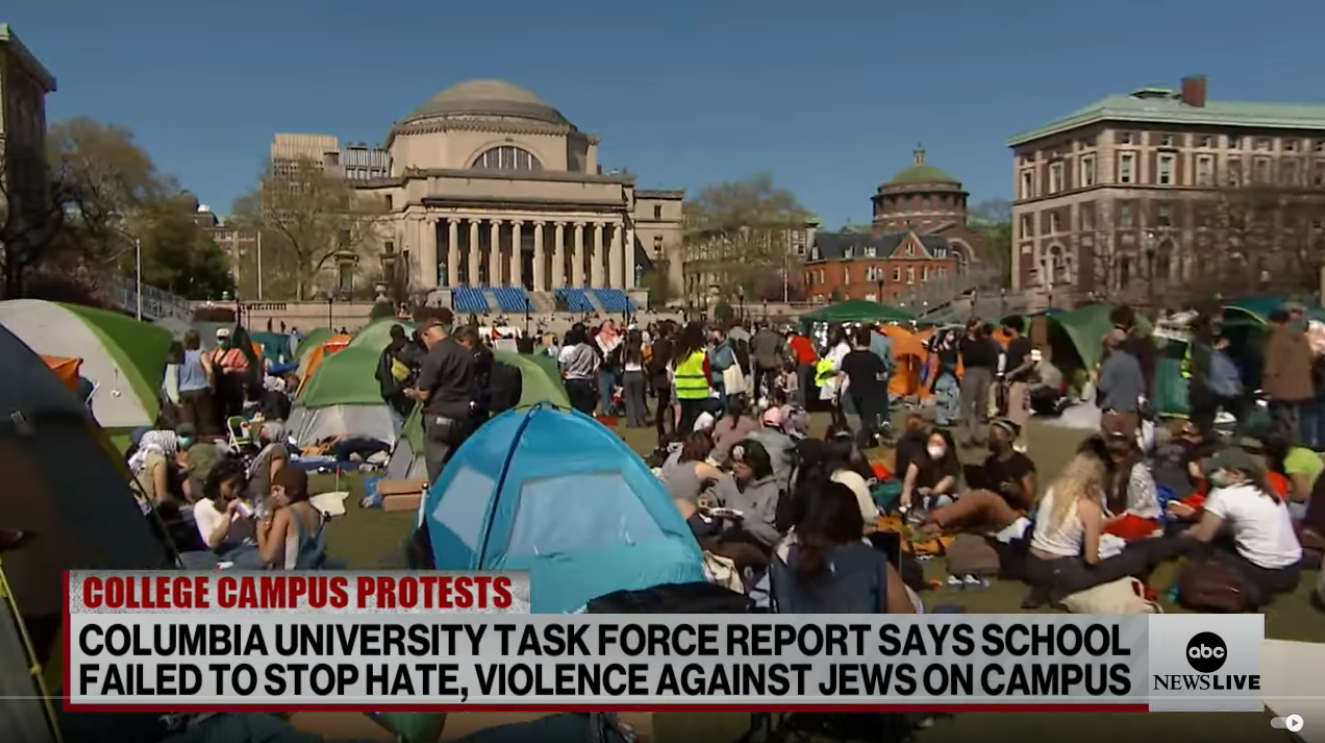
Columbia University students return to campus for the fall semester just days after the release of a pivotal report by the university’s task force on antisemitism. The report, published by the Institute for the Study of Global Antisemitism and Policy (ISGAP), addresses rising concerns about antisemitic incidents, including physical attacks and intimidation targeting Jewish students. Dr. Charles Asher Small, ISGAP’s Executive Director, underscores the report’s significance in shining a light on the alarming rise in antisemitism on Columbia’s campus.
The task force report details various instances of harassment and violence against Jewish students over the past academic year, many linked to pro-Palestinian demonstrations that took place on campus. According to Dr. Small, these actions reflect a broader issue that affects not only the Jewish community but also the principles of free expression and tolerance across the university.
One of the key changes this semester is Columbia University’s enforcement of stricter security measures in response to last year’s protests. Protest encampments are no longer allowed on campus, and students must now scan their valid IDs to enter the Morningside Heights campus. These new rules are intended to prevent a repeat of the widespread protests that disrupted university life last year, some of which resulted in tensions escalating into violence.
As students return to their routines, the atmosphere around Columbia remains charged. Outside one of the main entrances, dozens of pro-Palestinian demonstrators gather on the first day of classes, protesting what they see as the university’s restrictive measures against activism. The protesters march peacefully but vocally, displaying signs calling for Palestinian rights and condemning the actions of the Israeli government. Columbia has long been a focal point for activism related to the Israeli-Palestinian conflict, with passionate demonstrations on both sides of the issue.
New campus rules now prohibit camping out, and students must have their IDs checked at the front gates before entering. Despite these precautions, the university’s Alma Mater statue outside the library was defaced with red paint on Monday afternoon, seemingly in protest of the university’s refusal to divest from Israel.
Dr. Small, who supports the new campus policies, stresses that more needs to be done beyond security measures. He calls on Columbia and other colleges across the nation to reconsider funding for student groups that express support for Hamas, an organization classified as a terrorist group by the U.S. government. According to Small, allowing such groups to operate and promote their views on campus contributes to an atmosphere that emboldens antisemitic attitudes and behavior.
While the university continues to walk a fine line between allowing free speech and maintaining campus safety, administrators hope the report serves as a catalyst for meaningful dialogue. The task force recommendations, which include enhanced education on antisemitism and increased support for affected students, aim to address the root causes of the tensions that have plagued Columbia’s campus.
The coming weeks are expected to test these new measures as students and faculty navigate the balance between activism and respect for all communities. For many Jewish students, the return to campus is marked by a sense of vigilance, but there is also hope that the task force report and the university’s response will lead to lasting change.

