

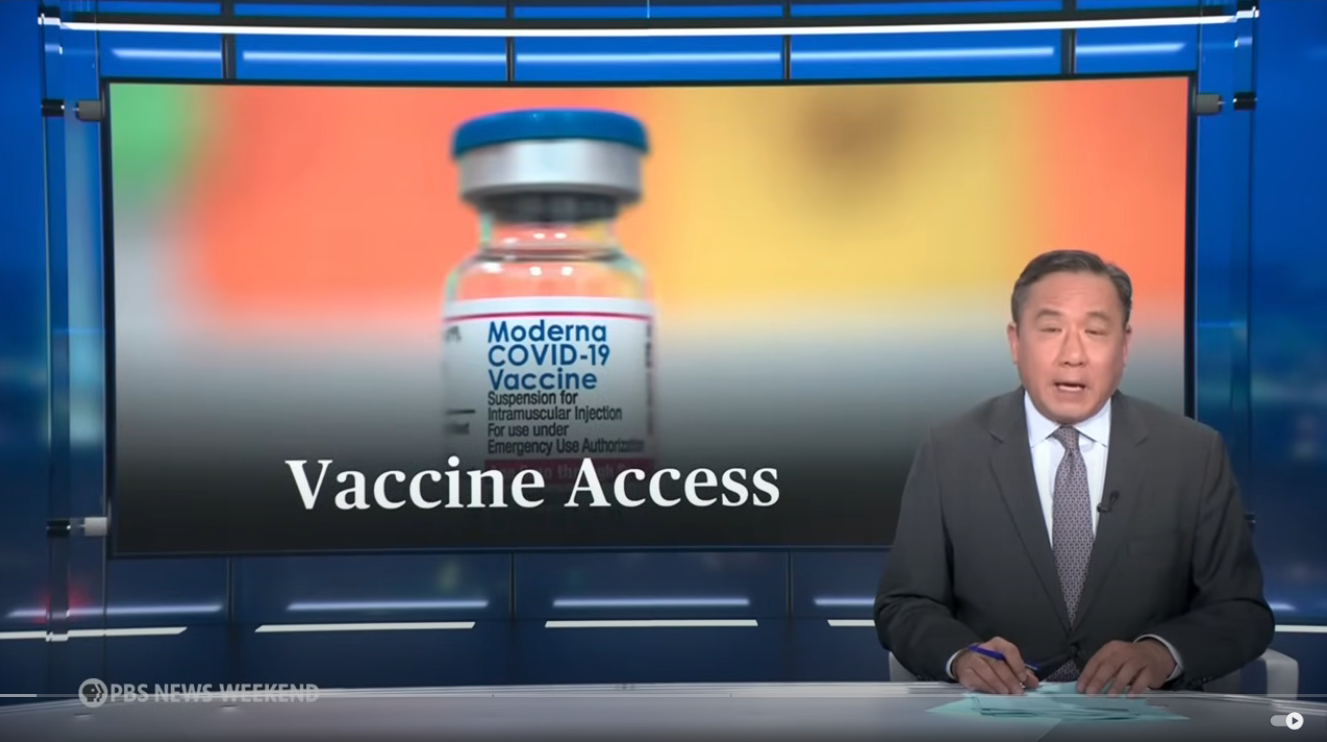
As the federal Bridge Access Program nears depletion of its funds, Americans without Medicare, Medicaid, or private insurance may soon face steep costs to receive COVID-19 vaccinations. Health experts are raising alarms over the potential financial burden on low-income individuals, who could be required to pay up to $200 out of pocket for the latest COVID-19 vaccine doses.
The Bridge Access Program, which was established to provide free COVID-19 vaccinations to uninsured and underinsured individuals, has been a critical resource throughout the pandemic. However, with the program’s funding running dry, the prospect of expensive vaccination fees is becoming a reality for millions of Americans. The Centers for Disease Control and Prevention (CDC) has acknowledged the situation, emphasizing the potential impact on public health as vaccination rates already remain low.
Currently, only 22 percent of Americans are continuing to get immunized against COVID-19, a significant drop from earlier in the pandemic when vaccines were readily available at no cost. This decline is largely attributed to the federal government’s declaration that COVID-19 is no longer a public health emergency. Despite this shift, the virus continues to claim tens of thousands of lives annually, underscoring the importance of ongoing vaccination efforts.
Health experts are particularly concerned that the high cost of vaccinations will deter low-income individuals from getting their shots, further widening the gap in healthcare access. Without the financial assistance previously provided by the federal program, many may be forced to forgo vaccination altogether, increasing the risk of severe illness and death, especially among vulnerable populations.
Dr. Rebecca Levine, an epidemiologist specializing in infectious diseases, warns that the financial barriers to vaccination could have far-reaching consequences. “We’re at a critical juncture where the cost of healthcare is directly impacting public health outcomes,” Levine says. “If people can’t afford to protect themselves from COVID-19, we’re going to see more outbreaks, more hospitalizations, and unfortunately, more deaths.”
The situation is compounded by the fact that new COVID-19 variants continue to emerge, posing ongoing challenges to public health. The latest vaccines have been updated to provide better protection against these variants, but their effectiveness hinges on widespread uptake—a goal that may be difficult to achieve if the costs remain prohibitive.
In response to the funding shortfall, some advocacy groups are calling for additional federal support to ensure that vaccines remain accessible to all, regardless of income or insurance status. However, with political gridlock in Washington, the future of such funding remains uncertain.
As the winter season approaches, health officials are urging those who are eligible and able to receive their COVID-19 vaccines now, while they are still available at no cost under current insurance plans. For those without coverage, the high cost may present a difficult decision, further highlighting the ongoing disparities in the American healthcare system.

