

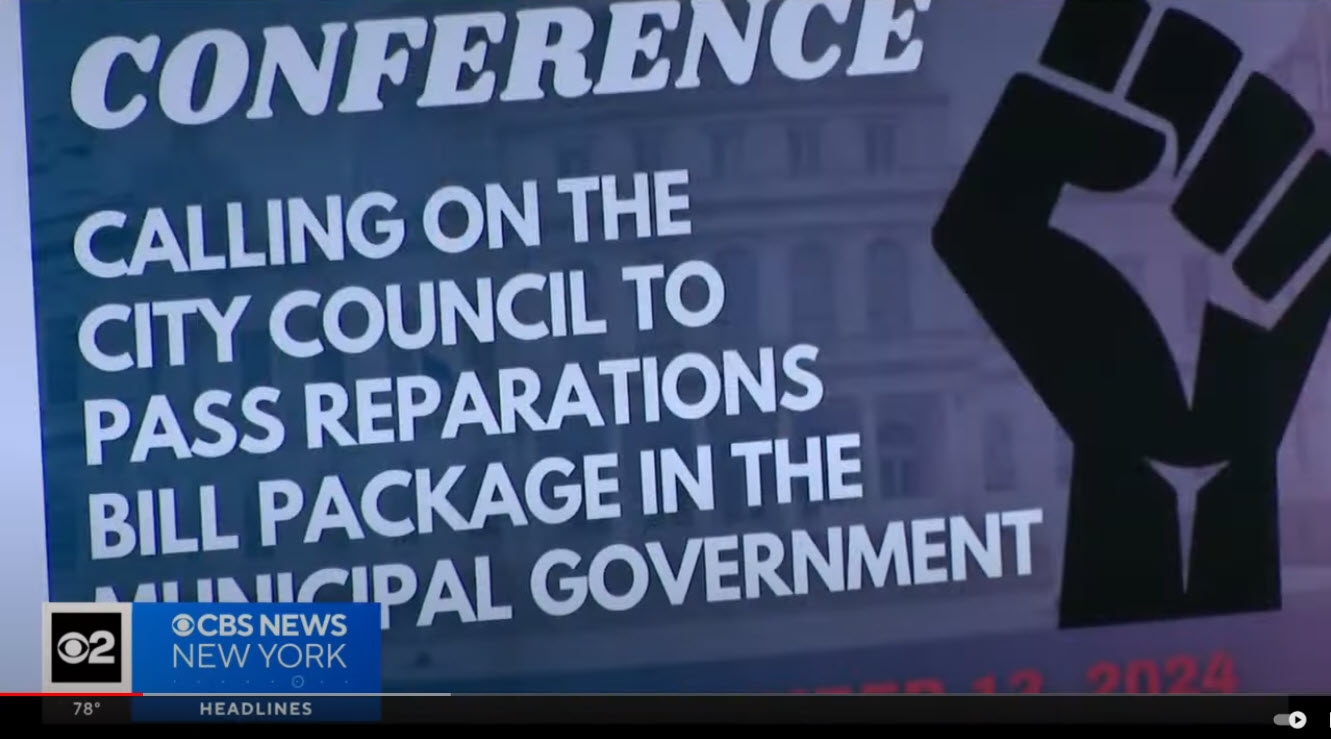
In a pivotal moment for racial justice in New York City, the City Council is poised to pass a package of bills that will formally study the lasting impact of slavery in the city and explore potential avenues for reparations. The legislation, which has garnered significant support from council members and activists alike, will establish a committee to investigate the historical role of slavery in New York City, its ongoing legacies, and the communities that continue to be affected.
Councilwoman Farah Louis, who has been a leading advocate for this legislative effort, emphasizes the importance of uncovering the full extent of the city’s involvement in slavery, both historically and in modern systemic inequalities. “New York City played a significant role in the transatlantic slave trade, and the legacies of that dark history continue to manifest in economic and social disparities today,” Louis said. The committee will be tasked with studying how city government policies, past and present, have contributed to racial injustices and determining what reparative actions could be taken.
The proposed reparations could come in various forms, including monetary compensation, expanded access to healthcare, legal services, and other forms of community support. The committee will also examine broader structural issues, such as housing, education, and employment discrimination, and how these systemic inequalities are linked to the city’s role in slavery.
City Council Speaker Adrienne Adams has expressed her strong support for the measure, calling it a long-overdue step toward addressing historical wrongs. “This is about acknowledging the harm that was done and finding meaningful ways to repair the damage that has been passed down through generations,” Adams said during a recent press conference.
However, not all agree with the proposed approach. Some critics argue that the focus should shift toward equal opportunity initiatives, such as improving education and economic access for marginalized communities, rather than direct reparations. These opponents suggest that investments in public services and anti-discrimination measures would be a more effective way to address racial disparities.
Despite the opposition, the bill is expected to pass with a clear majority, signaling a strong commitment from New York City’s leadership to confront its role in the history of slavery and the continued racial injustices faced by Black communities. The committee, once established, will be composed of historians, economists, legal experts, and community leaders, ensuring a comprehensive and informed analysis of the city’s history and the potential paths forward.
As the council prepares to vote, this legislation is being watched closely by other cities across the nation. If passed, New York City will join a growing movement of municipalities and states, such as California and Chicago, that are taking concrete steps toward addressing the legacies of slavery through reparations or similar measures.

