

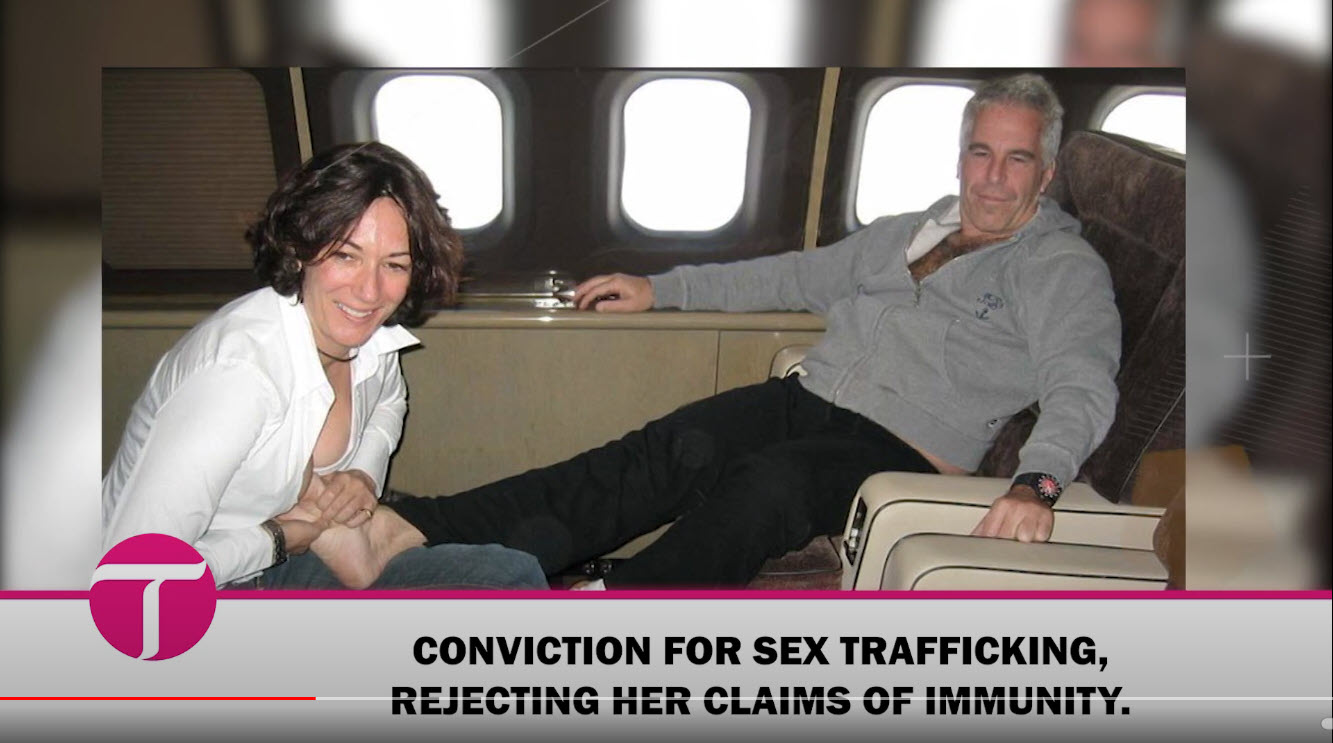
Ghislaine Maxwell’s conviction for sex trafficking has been upheld by a federal appeals court, marking a significant development in the long-running Jeffrey Epstein scandal.
Appeal Rejection
The U.S. Court of Appeals for the Second Circuit dismissed Maxwell’s appeal, affirming her 2021 conviction on five charges related to recruiting and grooming underage girls for sexual abuse by Epstein between 1994 and 2004. The court ruled that Maxwell’s 20-year prison sentence was “procedurally reasonable”.
Key Arguments Rejected
Maxwell’s attorneys had made several arguments in their appeal:
- Non-prosecution agreement: They claimed Maxwell should be protected by a 2007 non-prosecution agreement between Epstein and federal prosecutors in Florida. The court ruled this agreement did not extend to Maxwell or to crimes committed outside Florida.
- Statute of limitations: The court found the alleged crimes fell within the statute of limitations.
- Juror misconduct: Maxwell’s claim that a juror’s failure to disclose past sexual abuse compromised her trial was dismissed.
Implications and Reactions
This ruling is seen as a victory for Epstein’s victims, as Maxwell was a key figure in his sex trafficking operation. Her conviction in 2021 was viewed by many as the reckoning that Epstein, who died by suicide in 2019 while awaiting trial, never faced.Maxwell’s lawyer expressed disappointment with the ruling and indicated they may pursue an appeal to the U.S. Supreme Court. Meanwhile, Maxwell continues to serve her sentence at a low-security facility in Tallahassee, with a projected release date in 2037.
Broader Context
The Epstein scandal has implicated numerous high-profile individuals, with unsealed court documents referencing over 150 people, including former presidents, royalty, and celebrities. This case has shed light on the dark world of sex trafficking and raised questions about the role of powerful individuals in facilitating such crimes.

