

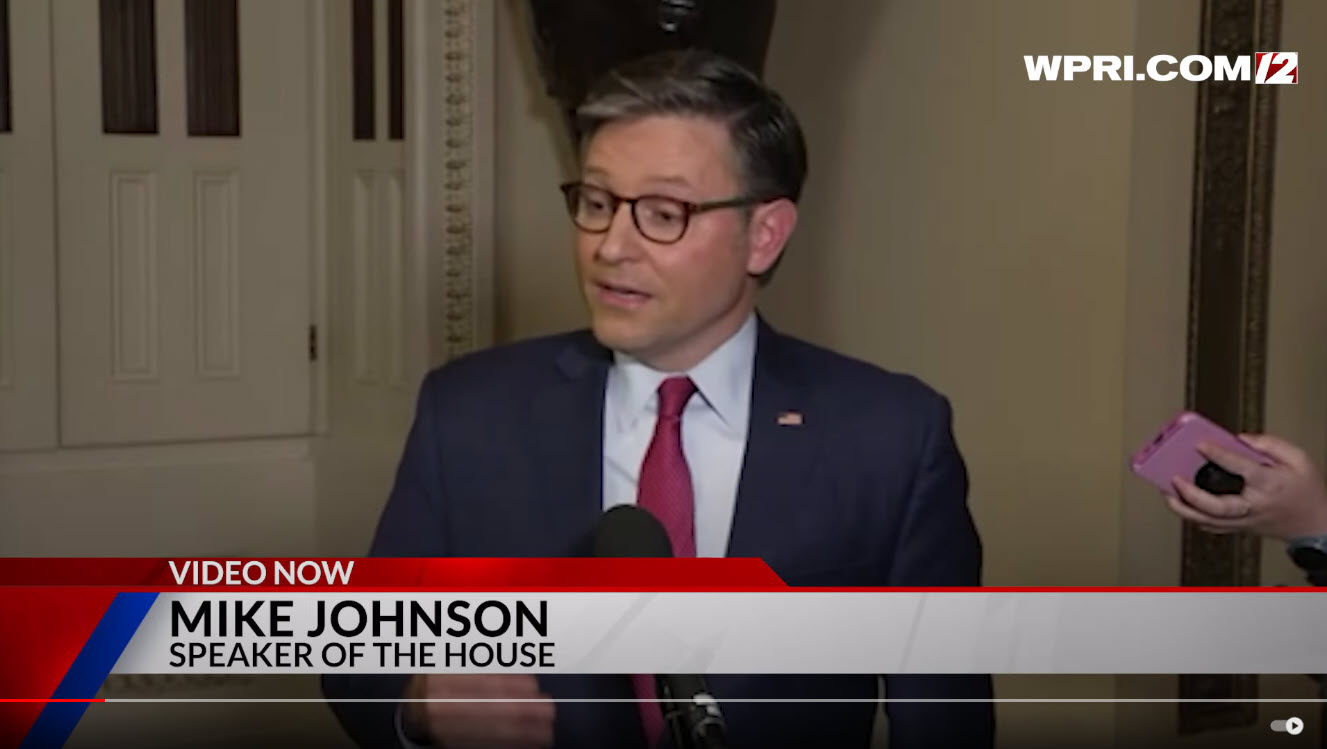
House Speaker Mike Johnson has introduced a short-term spending bill aimed at averting a government shutdown, as the clock ticks toward the election, adding pressure on Congress to pass a deal before voting ramps up. The proposal is a modified version of a six-month continuing resolution that seeks to keep the federal government funded while members of Congress work on a broader agreement. This latest proposal notably excludes the controversial “SAVE Act,” which had been a major point of contention in recent legislative efforts.
The “SAVE Act” (Securing America’s Voting Elections), which would require proof of citizenship to register to vote in federal elections, has sparked fierce debate along party lines. Johnson initially included the measure in an earlier version of the spending bill, but the House voted on Wednesday to block a final passage of that proposal. The decision was split along partisan lines, with Republicans largely supporting the inclusion of the SAVE Act, while Democrats opposed it, arguing that it could lead to voter disenfranchisement.
Despite the defeat of the SAVE Act provision, Johnson remains committed to avoiding a government shutdown and ensuring that essential services remain funded. In a statement reacting to the House’s decision, Johnson said, “While I’m disappointed that the SAVE Act didn’t move forward, I’m focused on what’s most important right now—keeping the government open and ensuring we have a responsible spending plan that serves the American people.”
The current proposal aims to extend government funding for several months, giving lawmakers more time to negotiate a comprehensive budget. This short-term bill would prevent disruptions to critical federal services, such as Social Security, military pay, and national parks, which would be impacted by a shutdown. Johnson’s focus on maintaining government operations without the polarizing election-related provisions reflects a strategic shift as the election approaches and public scrutiny on congressional actions intensifies.
With election day only weeks away, Congress faces increased pressure to avoid political gridlock and present a united front to voters. Members of both parties have acknowledged the urgency of passing a spending resolution, as a government shutdown could lead to widespread disruptions and negative impacts on their reelection campaigns.
Critics of the SAVE Act, including voting rights organizations and Democratic lawmakers, argue that the measure would impose unnecessary barriers to voting, particularly for minority and low-income communities. They see the removal of the SAVE Act from the spending bill as a victory for voter access and a step toward preventing the politicization of federal budget negotiations.
On the other hand, Republican supporters of the SAVE Act view the legislation as a critical safeguard to ensure election integrity, especially ahead of the 2024 presidential race. Johnson and his allies have promised to revisit the legislation in the future, but for now, they are prioritizing avoiding a shutdown.
As the short-term spending bill moves to the Senate, it faces its next hurdle. Senate Majority Leader Chuck Schumer has expressed cautious optimism about reaching a bipartisan agreement but has warned against attaching divisive measures like the SAVE Act to must-pass funding legislation. “This is about keeping the government running, not about partisan battles over voting laws,” Schumer said during a press conference.
For now, the removal of the SAVE Act may ease some tensions in Congress, but the upcoming weeks promise to bring further debate over spending priorities and the role of election security in future legislation.

