

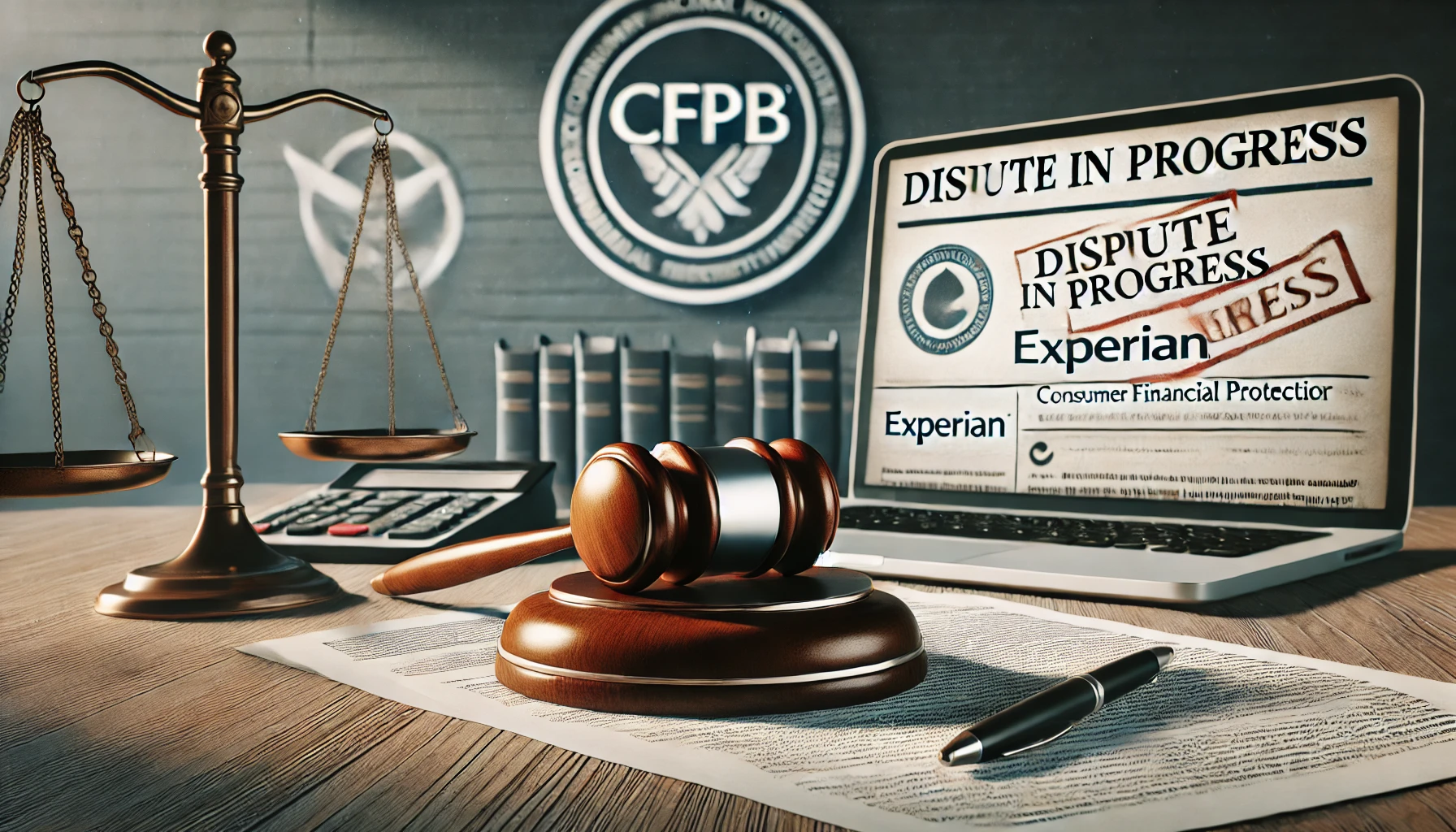
The Consumer Financial Protection Bureau (CFPB) has filed a lawsuit against Experian, one of the nation’s largest credit reporting agencies, accusing it of failing to properly investigate consumer disputes. The agency claims that Experian has violated the Fair Credit Reporting Act (FCRA) by not taking adequate steps to process, investigate, and notify consumers about inaccuracies in their credit reports.
According to the CFPB, Experian’s alleged negligence has led to the inclusion of incorrect information on consumer credit reports, which can have severe consequences for individuals seeking loans, mortgages, or other forms of credit. The CFPB asserts that Experian’s failure to meet its obligations under federal law undermines the integrity of the credit reporting system and harms consumers nationwide.
The lawsuit comes after years of complaints and scrutiny over credit reporting agencies’ handling of disputes. Under the FCRA, credit reporting agencies are required to ensure the accuracy of information in their reports and to conduct thorough investigations when consumers dispute entries. The CFPB alleges that Experian has consistently failed to meet these requirements, leaving consumers with little recourse to address errors.
CFPB Director Rohit Chopra emphasizes the importance of accountability in the credit reporting industry, stating that accurate credit reporting is a cornerstone of financial fairness. He argues that when agencies like Experian neglect their responsibilities, consumers are left vulnerable to financial harm, including higher interest rates, denied credit, and damaged reputations.
Experian has responded to the lawsuit by denying the allegations, asserting that it complies with all legal requirements and has robust processes in place to handle disputes. The company maintains that it is committed to providing accurate and reliable credit reporting services and plans to vigorously defend itself against the CFPB’s claims.
Consumer advocacy groups have expressed support for the CFPB’s actions, calling the lawsuit a critical step in holding credit reporting agencies accountable. These organizations argue that inaccuracies in credit reports disproportionately affect low-income individuals and marginalized communities, exacerbating economic inequality.
The lawsuit could have far-reaching implications for the credit reporting industry. If the CFPB prevails, Experian may face significant fines and be required to overhaul its dispute-handling procedures. The case also serves as a warning to other credit reporting agencies to prioritize compliance with federal laws and improve their consumer protections.
This legal battle comes amid broader efforts by the CFPB to strengthen oversight of financial institutions and ensure that consumers are treated fairly. As the case unfolds, it will likely reignite discussions about the need for reforms in the credit reporting system to better protect consumers from errors and ensure greater transparency.

