

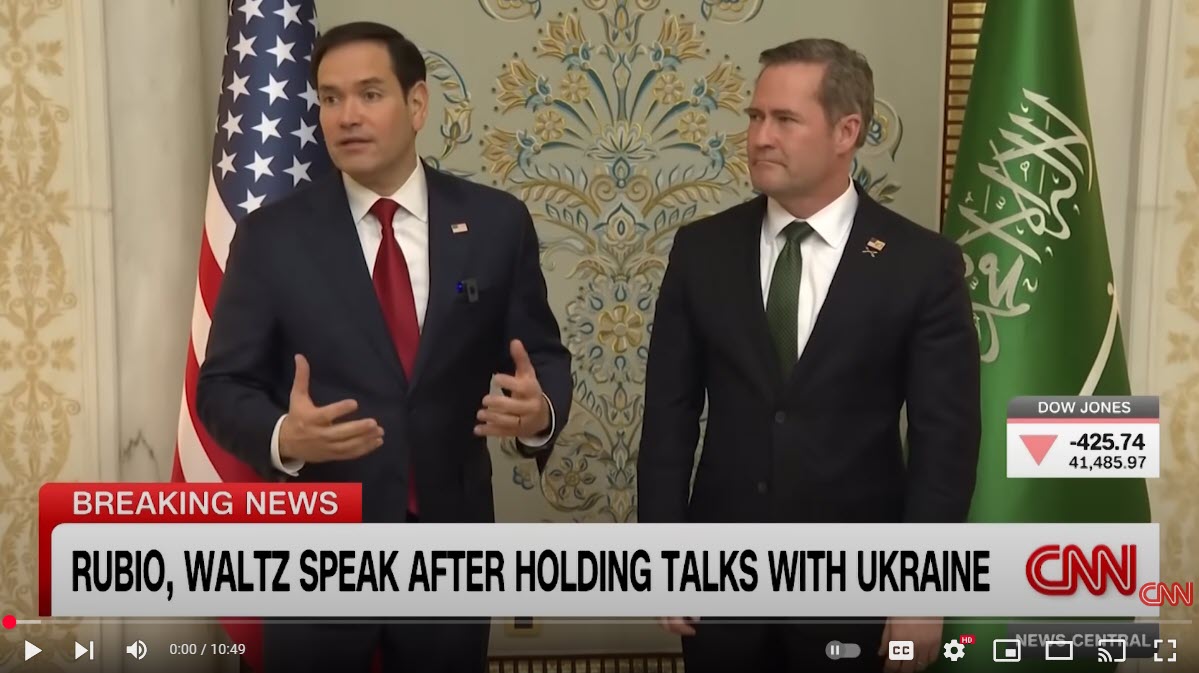
In a significant development toward resolving the ongoing conflict, Ukraine has agreed to a U.S.-proposed 30-day ceasefire with Russia, contingent upon Moscow’s acceptance. This tentative agreement follows extensive negotiations between Ukrainian and U.S. officials in Saudi Arabia, aiming to establish a foundation for lasting peace.
Ukrainian President Volodymyr Zelenskyy has expressed optimism regarding the ceasefire, viewing it as a positive step toward ending hostilities. He emphasized that the onus is now on the United States to persuade Russia to accept the proposal. The U.S. has responded by resuming military aid and intelligence sharing with Ukraine, signaling strong support for the ceasefire initiative.
President Donald Trump has underscored the urgency of halting the conflict, citing significant casualties and the need for immediate action. He has announced that U.S. representatives are en route to Russia to engage in negotiations, reflecting a proactive approach to securing Moscow’s agreement to the ceasefire.
European leaders have welcomed the ceasefire proposal. British Prime Minister Keir Starmer praised the initiative, acknowledging the efforts of Presidents Zelenskyy and Trump in achieving this breakthrough. Starmer emphasized that the responsibility now lies with Russia to take reciprocal steps toward peace.
Despite these diplomatic efforts, Russia has yet to officially respond to the ceasefire proposal. Kremlin spokesperson Dmitry Peskov stated that Moscow is awaiting detailed information from Washington before making any commitments. Russian officials have expressed skepticism, emphasizing that any agreement must consider Russia’s territorial gains and address its security concerns.
The conflict, ongoing for over three years, has resulted in substantial casualties and displacement. Previous attempts at peace negotiations have been hindered by mutual distrust and conflicting demands. The current ceasefire proposal seeks to halt hostilities temporarily, allowing for humanitarian aid delivery and setting the stage for more comprehensive peace talks.
As the international community closely monitors these developments, the success of the ceasefire largely depends on Russia’s response. The coming days are critical in determining whether this initiative will lead to a sustainable peace process or if the region will continue to endure the hardships of war.

