

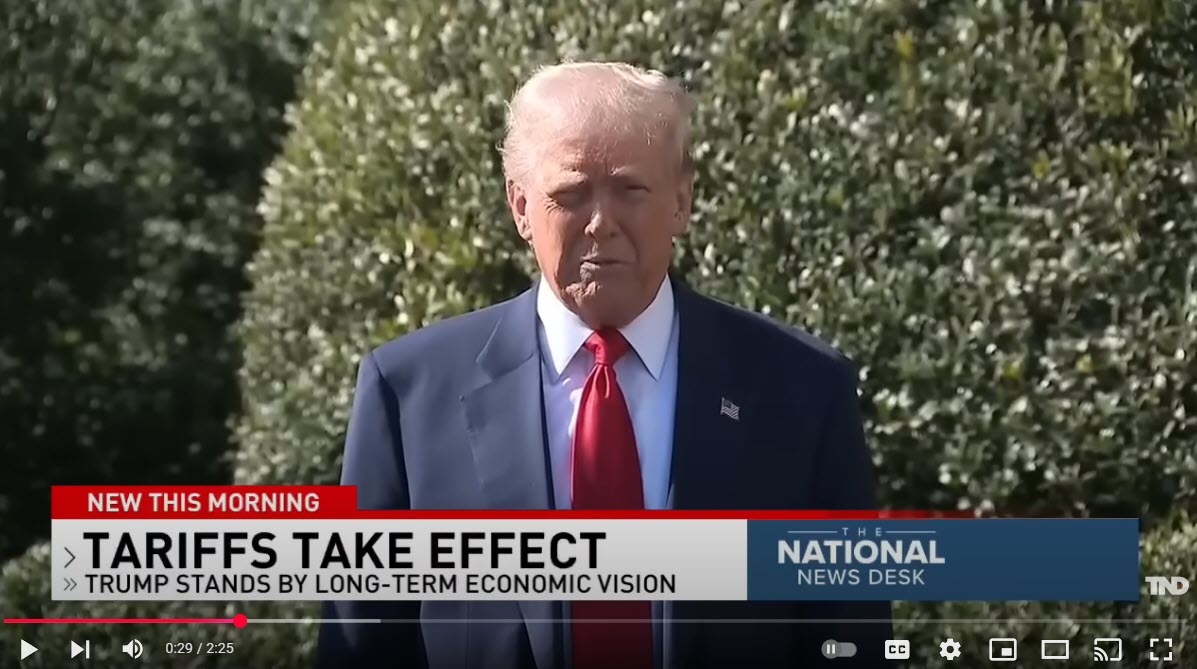
The international trade landscape is witnessing heightened tensions following the United States’ enforcement of a 25% tariff on all steel and aluminum imports, a move that has prompted swift retaliatory measures from both the European Union (EU) and Canada.
President Donald Trump’s administration implemented these tariffs with the stated objective of revitalizing domestic metal industries and safeguarding national economic interests. However, this decision has been met with significant opposition from key U.S. allies and trading partners.
In direct response, Canada has announced the imposition of 25% tariffs on approximately $20.6 billion worth of U.S. goods, encompassing steel, aluminum, and various other products. Canadian Finance Minister Dominic LeBlanc emphasized that these measures are designed to protect Canada’s economic interests and will remain in effect until the U.S. revises its tariff strategy.
Similarly, the European Union has declared its intention to levy counter-tariffs on U.S. goods valued at $28 billion, targeting a diverse array of products. EU officials have expressed that these actions are necessary to defend the economic interests of member states and uphold the principles of fair trade.
President Trump has defended the tariffs, asserting that they are essential to rectify longstanding trade imbalances and protect American industries. He has also indicated the possibility of further tariffs if trading partners proceed with their retaliatory actions, stating that the U.S. will “even it up” in response to perceived unfair treatment by the EU.
The implementation of these tariffs is anticipated to have significant repercussions across various sectors. U.S. manufacturers reliant on imported metals may face increased production costs, potentially leading to higher consumer prices and disruptions in the supply chain. Economists warn that such trade disputes could dampen investor confidence and pose risks to global economic stability.
In a related development, the U.S. has introduced new regulations requiring Canadian visitors planning to stay longer than 30 days to register with immigration authorities and undergo fingerprinting. This policy shift has raised concerns among Canadian travelers and is viewed as a further strain on U.S.-Canada relations amidst the escalating trade tensions.
The unfolding situation underscores the complexities of international trade relations and the challenges inherent in balancing domestic economic policies with global partnerships. As the U.S., Canada, and the EU navigate this contentious period, the outcomes of these tariff exchanges will likely have lasting impacts on the global economic order.
Sources:

