

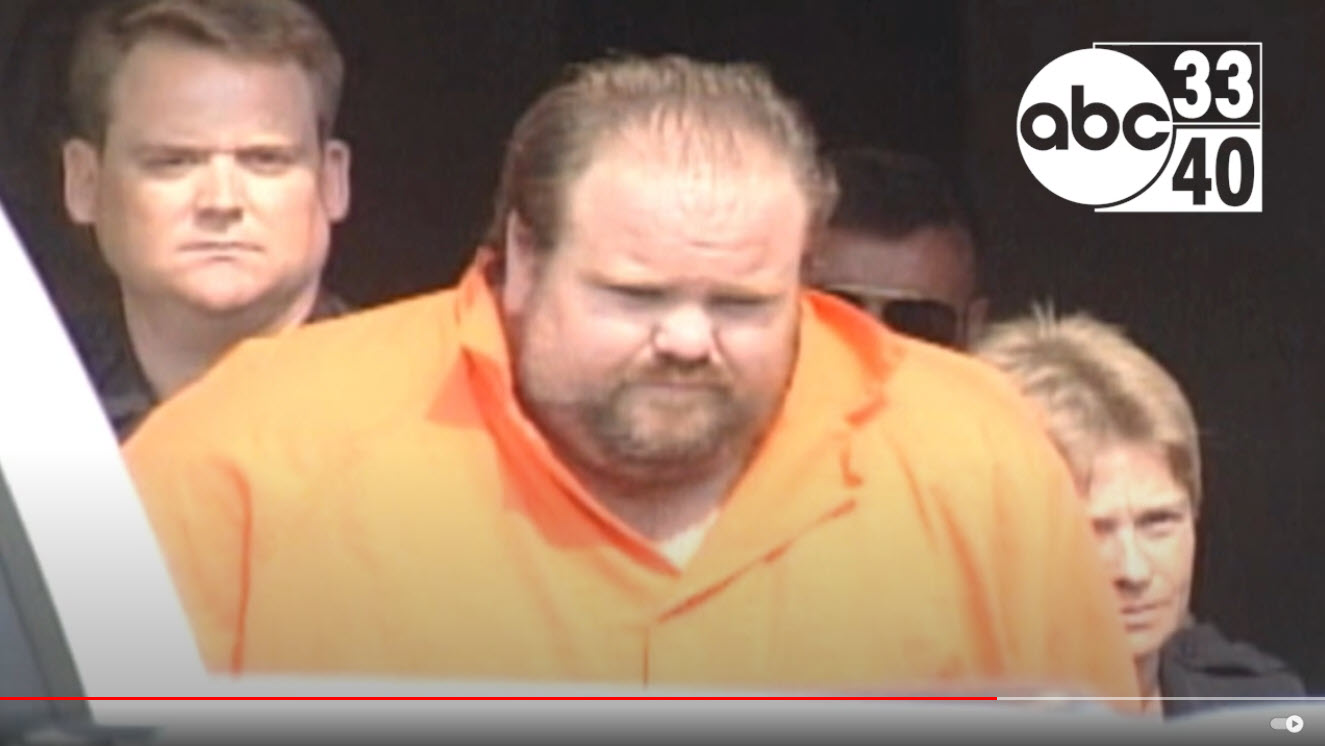
Alabama has carried out its second execution using nitrogen gas, putting to death convicted murderer Alan Miller on Thursday night. Miller, who was found guilty of killing three of his co-workers in a 1999 shooting spree over rumors regarding his sexuality, was executed after a previous failed attempt to use lethal injection in 2022.
The 58-year-old Miller’s case has drawn significant attention not only because of the brutal nature of the killings but also due to the method of execution. Miller is only the second death row inmate in the U.S. to be executed using nitrogen gas, a relatively new and controversial method. Alabama remains one of the few states authorized to use nitrogen hypoxia as an alternative to lethal injection.
The decision to use nitrogen gas came after the failed attempt to execute Miller in 2022, during which the lethal injection process could not be completed due to difficulties accessing his veins. That incident raised concerns about the viability of lethal injection and led to Alabama’s decision to adopt nitrogen hypoxia for future executions. Nitrogen hypoxia causes death by replacing oxygen with nitrogen, leading to a quick loss of consciousness and eventual death from lack of oxygen.
Miller’s attorneys had fought against the execution, arguing that the process was untested and could result in a painful or prolonged death. However, state officials defended the use of nitrogen gas, describing it as a more humane alternative to lethal injection and assuring that the procedure had been thoroughly reviewed.
The murders for which Miller was convicted took place in Shelby County in 1999, when he shot and killed co-workers Lee Holdbrooks, Scott Yancy, and Terry Jarvis at two different locations. Prosecutors alleged that Miller, who had a history of mental health issues, believed his victims were spreading rumors about his sexuality, prompting the deadly attack. He was apprehended shortly after the shootings and has spent more than two decades on death row.
Despite the controversy surrounding his execution, Miller did not offer any final words. His family and the families of his victims were present at the execution, with emotions running high on both sides. The victims’ families, who have waited over two decades for justice, expressed relief that the sentence had finally been carried out.
“After all these years, it’s some closure, but nothing can ever bring back our loved ones,” said Sarah Holdbrooks, a relative of one of the victims. “We’ve waited for this day for so long, but it’s still bittersweet.”
Alabama officials have defended the use of nitrogen hypoxia as an option for death row inmates who may have medical conditions that complicate traditional methods of execution. They argue that it offers a solution to avoid the challenges posed by lethal injection drugs, which have become increasingly difficult to obtain due to pharmaceutical companies refusing to supply them for use in executions.
However, the execution of Alan Miller is expected to reignite the debate over the death penalty and the ethics of nitrogen hypoxia. Human rights advocates have condemned the practice, calling for an end to all forms of capital punishment in the U.S. They argue that the use of nitrogen hypoxia, despite being billed as a more humane method, remains an untested and potentially dangerous process.
As Alabama moves forward with its nitrogen gas executions, the state is likely to face continued scrutiny over its handling of capital punishment cases. For now, though, state officials remain committed to using nitrogen hypoxia for inmates like Miller, whose physical or medical conditions make lethal injection problematic.

