

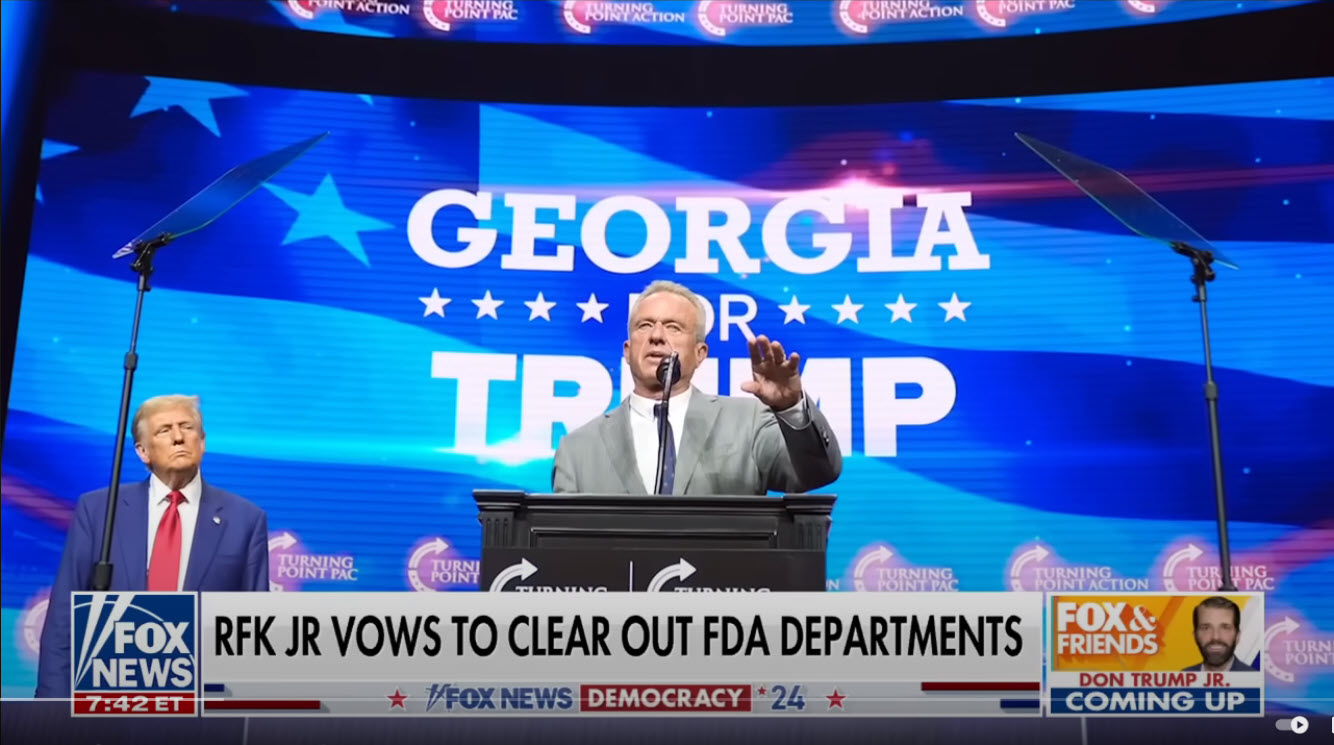
As President-elect Donald Trump finalizes his transition team, Robert F. Kennedy Jr. emerges as a potential “health czar,” a role that could signal substantial changes in national healthcare policy. Kennedy, an environmental attorney and outspoken health advocate, is generating buzz within the healthcare space, with insiders and industry experts questioning how his unconventional stances might reshape federal health regulations.
Although details about Kennedy’s specific role remain unclear, transition team officials suggest a “health czar” position may be under consideration. Such a role would bypass Senate confirmation, allowing Kennedy to wield considerable influence without the procedural hurdles tied to positions like FDA commissioner. The designation of health czar could grant Kennedy broad authority over health policy, with direct access to Trump as they align on healthcare priorities.
Kennedy’s approach, however, diverges sharply from the FDA’s current regulatory practices. Recently, he took to X (formerly Twitter) to express his intent to tackle what he describes as the FDA’s “war on public health.” In a post that quickly garnered attention, Kennedy accused the agency of aggressively “suppressing” a range of alternative health solutions, from psychedelics and peptides to stem cells and natural therapies such as ivermectin, vitamins, and exercise regimens. Kennedy alleges that these treatments and lifestyle choices, which he says promote human health without generating profits for large pharmaceutical companies, have been systematically marginalized.
His remarks resonate with many Americans who advocate for integrative and alternative medicine, but they have also sparked concern among healthcare professionals wary of reduced regulatory oversight. With the FDA traditionally upholding stringent guidelines to ensure public safety, critics argue that Kennedy’s stance could undermine long-standing health safeguards. Yet his supporters counter that his presence could catalyze a necessary overhaul of outdated FDA policies that, they believe, favor pharmaceutical interests over public health.
In his health czar role, Kennedy could influence Trump’s agenda on healthcare, which includes reducing pharmaceutical costs, expanding access to alternative treatments, and promoting preventive health measures. The Trump administration has voiced openness to expanding patient options and fostering competition in the healthcare market, and Kennedy’s role would likely accelerate those efforts. Transition team members note that while official announcements about Kennedy’s responsibilities are forthcoming, his influence on Trump’s healthcare policy appears certain.
Industry experts are closely watching the implications for FDA leadership. While Kennedy’s current role circumvents the need for Senate approval, any substantial changes to FDA policy or leadership could still face legislative and political resistance. The Senate’s Republican majority may align with Trump on broader deregulation, but not all are likely to support the rapid integration of unproven therapies.
As public debate swirls, Kennedy’s prospective appointment underscores the Trump administration’s unorthodox approach to healthcare. For those favoring more flexible health options, Kennedy’s role is a beacon of hope. For others, it’s a step toward uncertain territory in the ongoing push-pull between government oversight and individual choice in healthcare.

